SUNDAY, APRIL 19, 2026
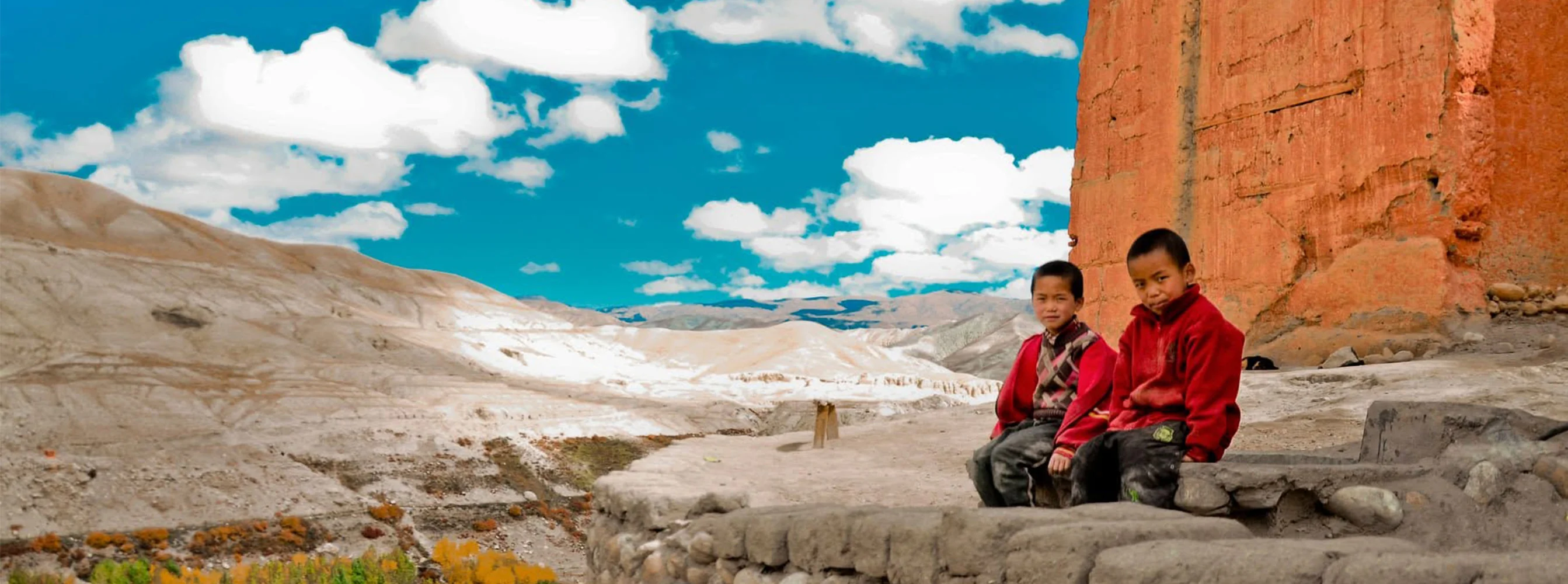
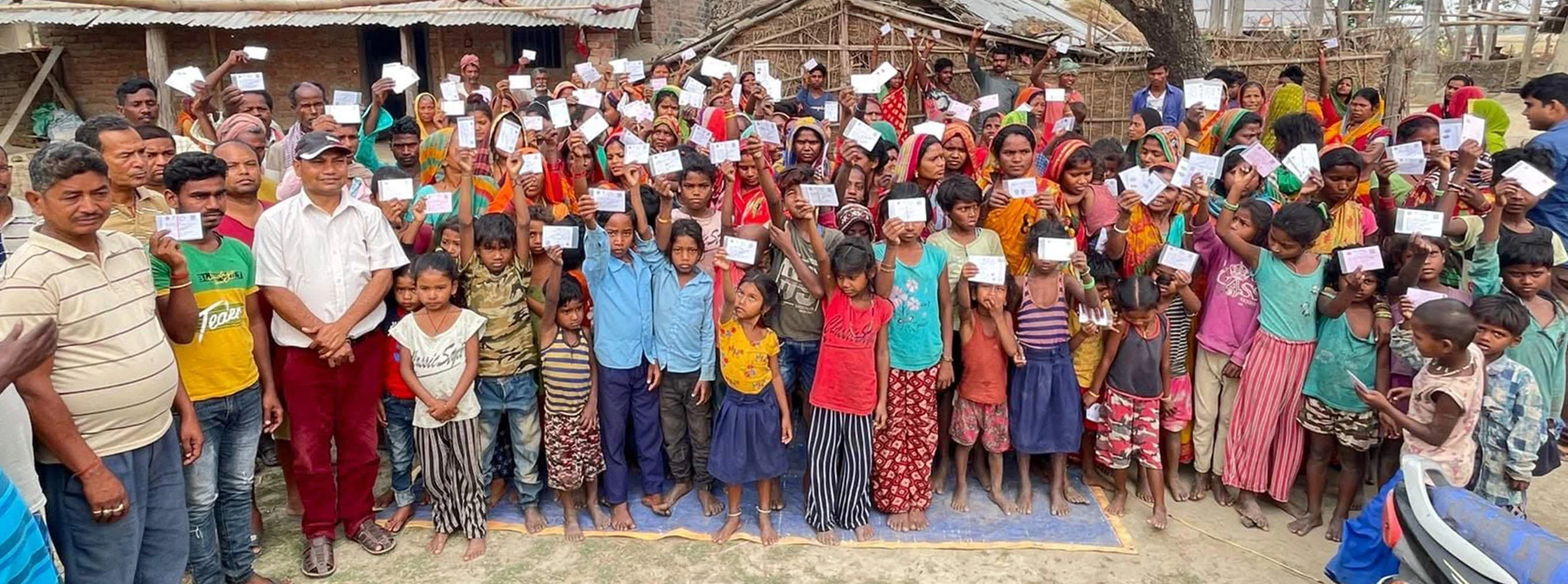
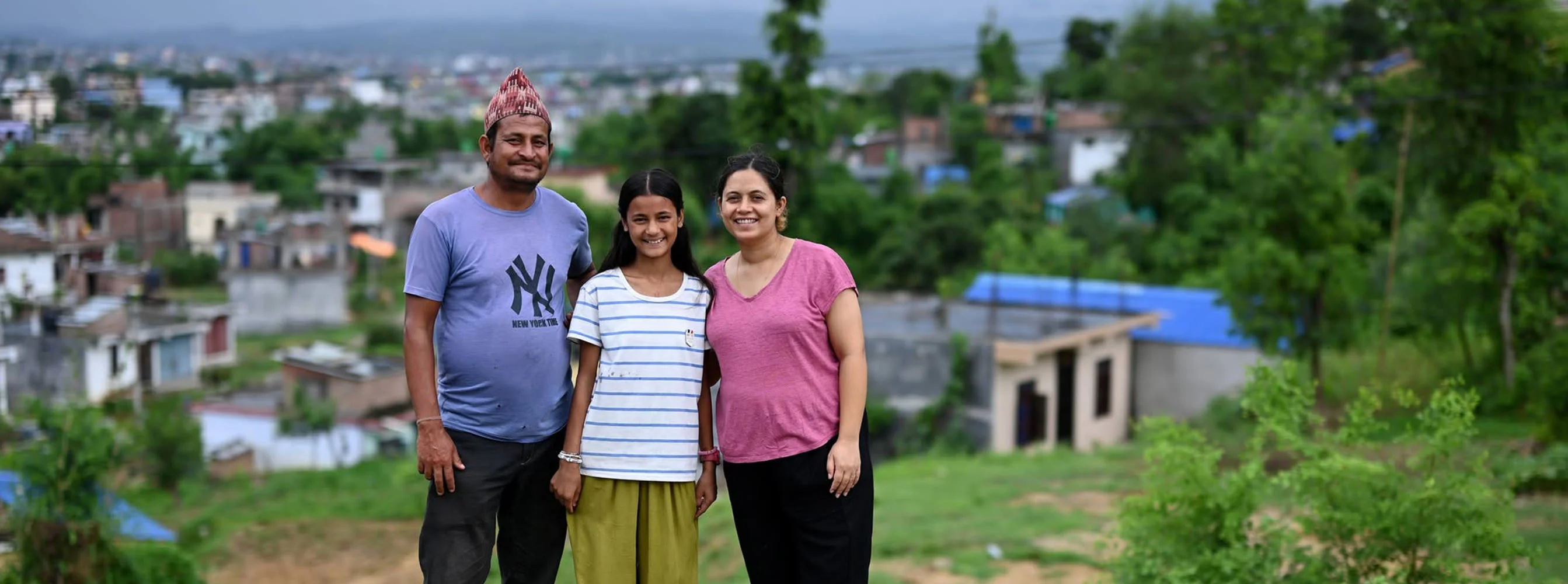
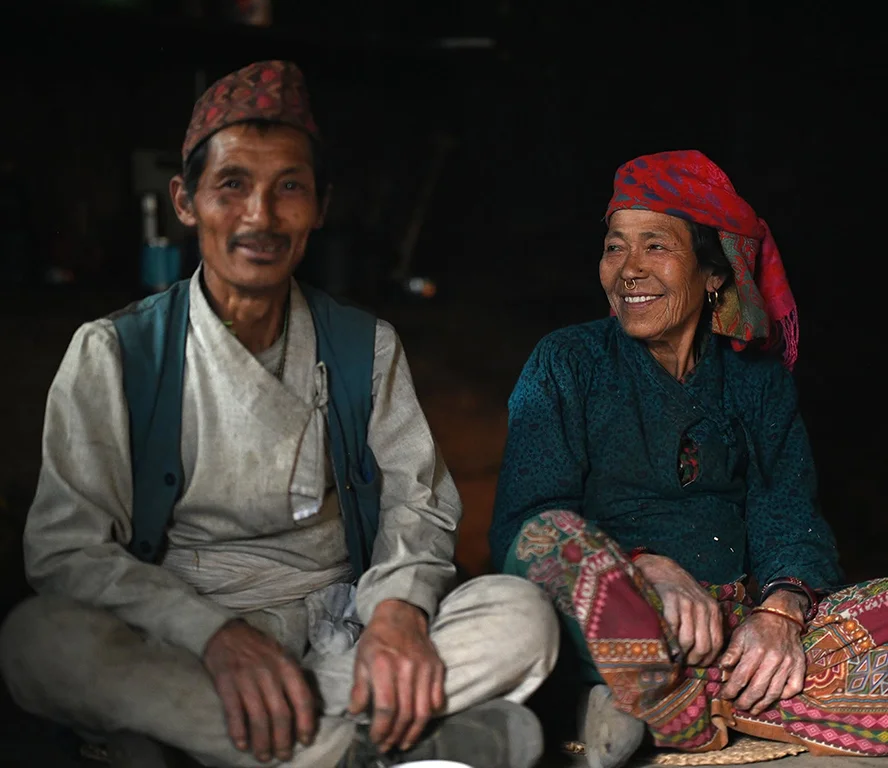
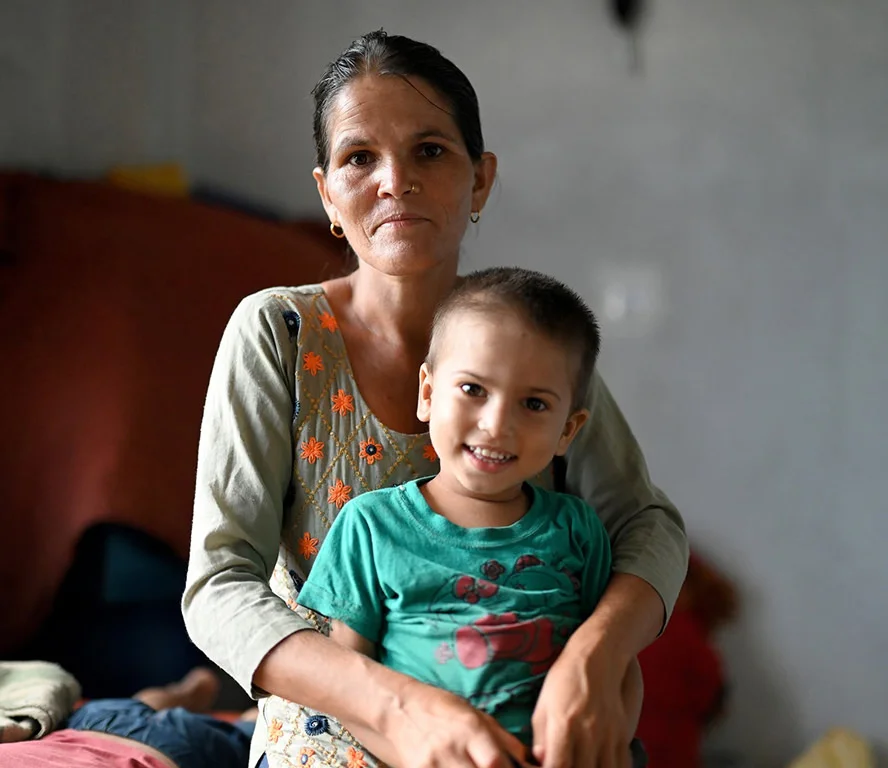
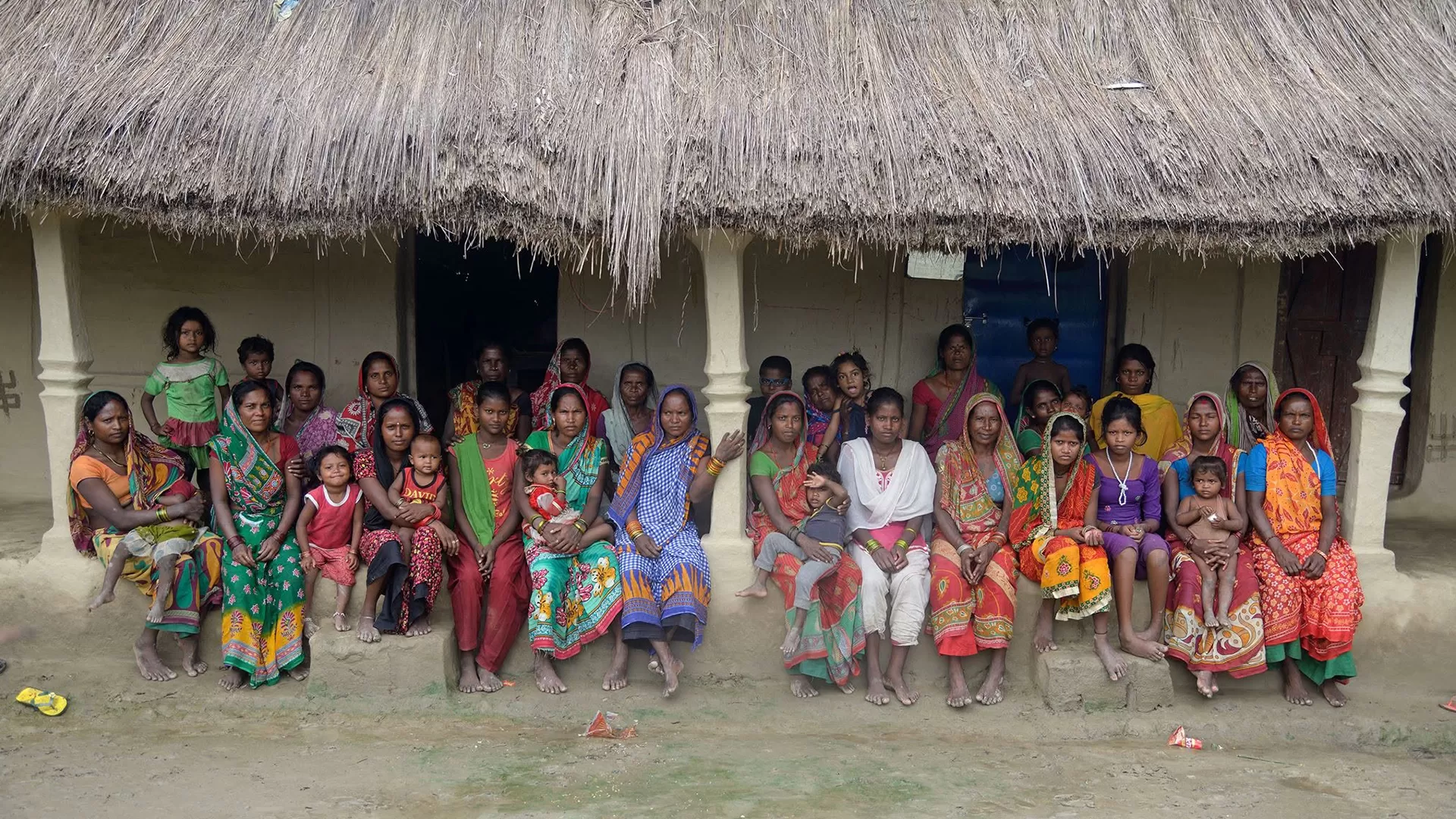
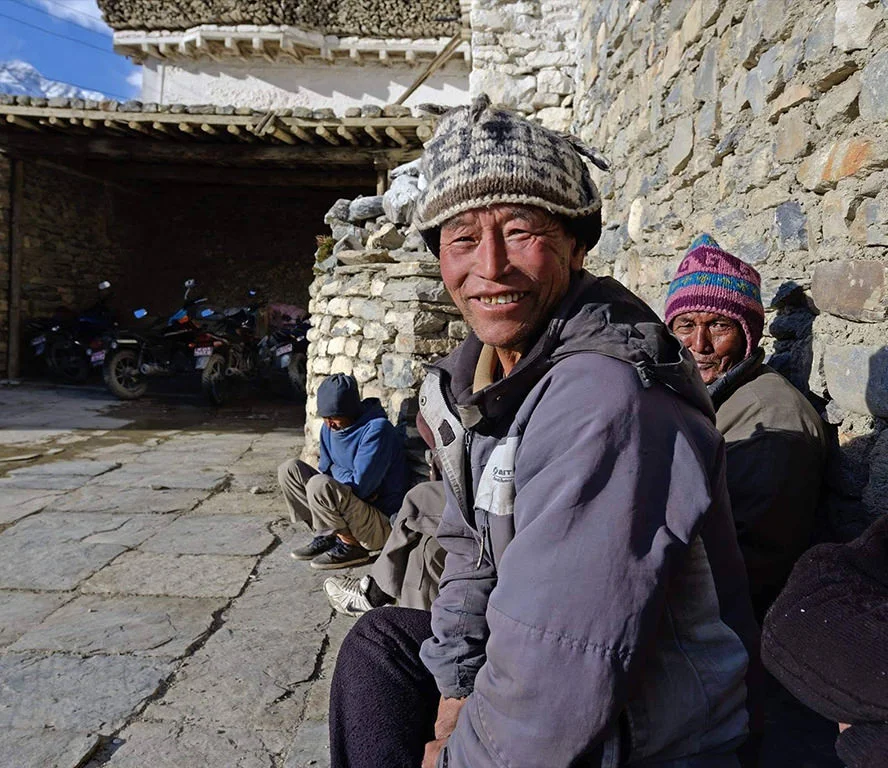
Stories of Nepal is a photographic and narrative archive documenting the lives, traditions, and landscapes of the Nepali people across all 77 districts.
We collect stories from communities, document their cultures, traditions, and the landscapes they inhabit. Each photograph and narrative represents a moment in the living culture of Nepal.
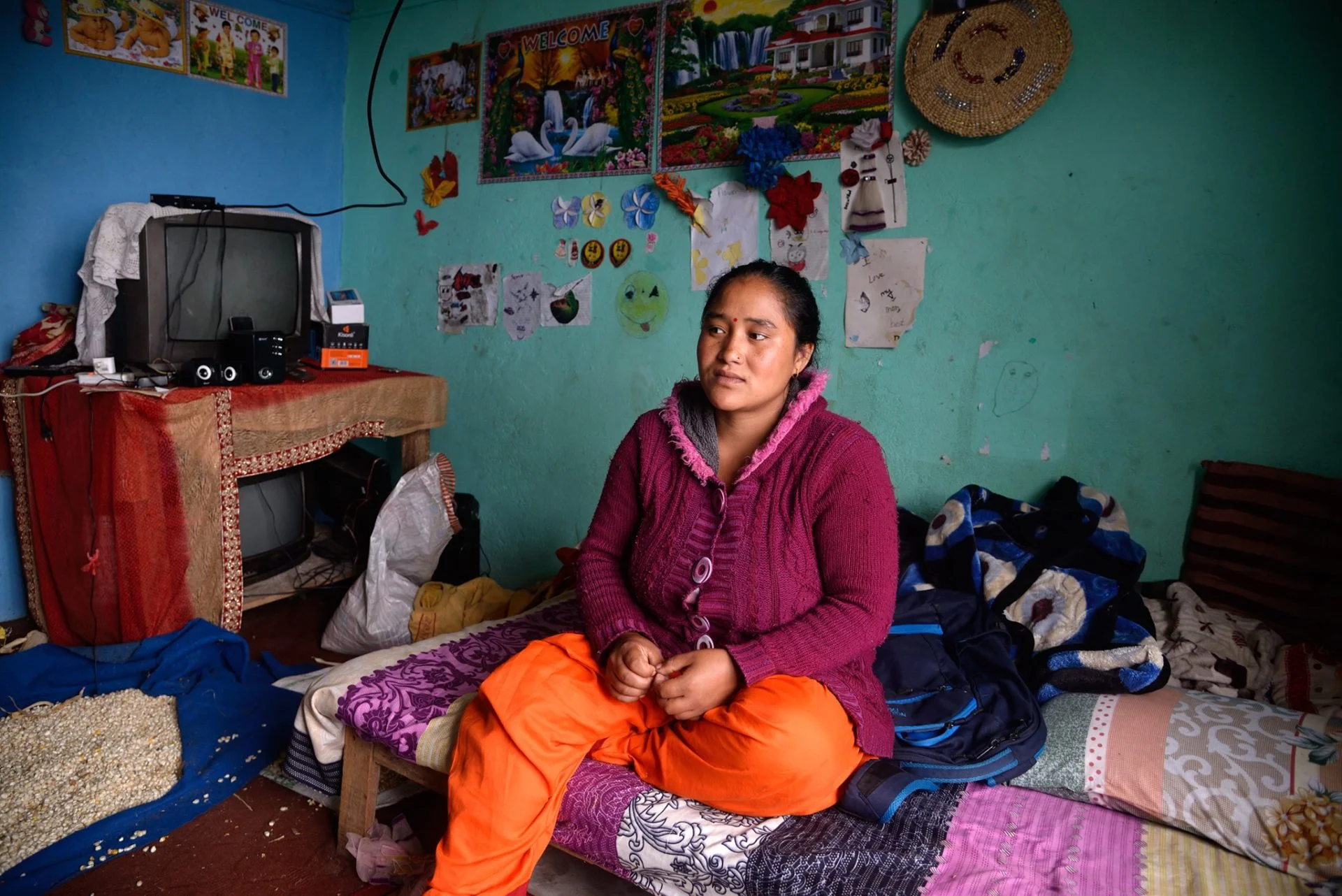
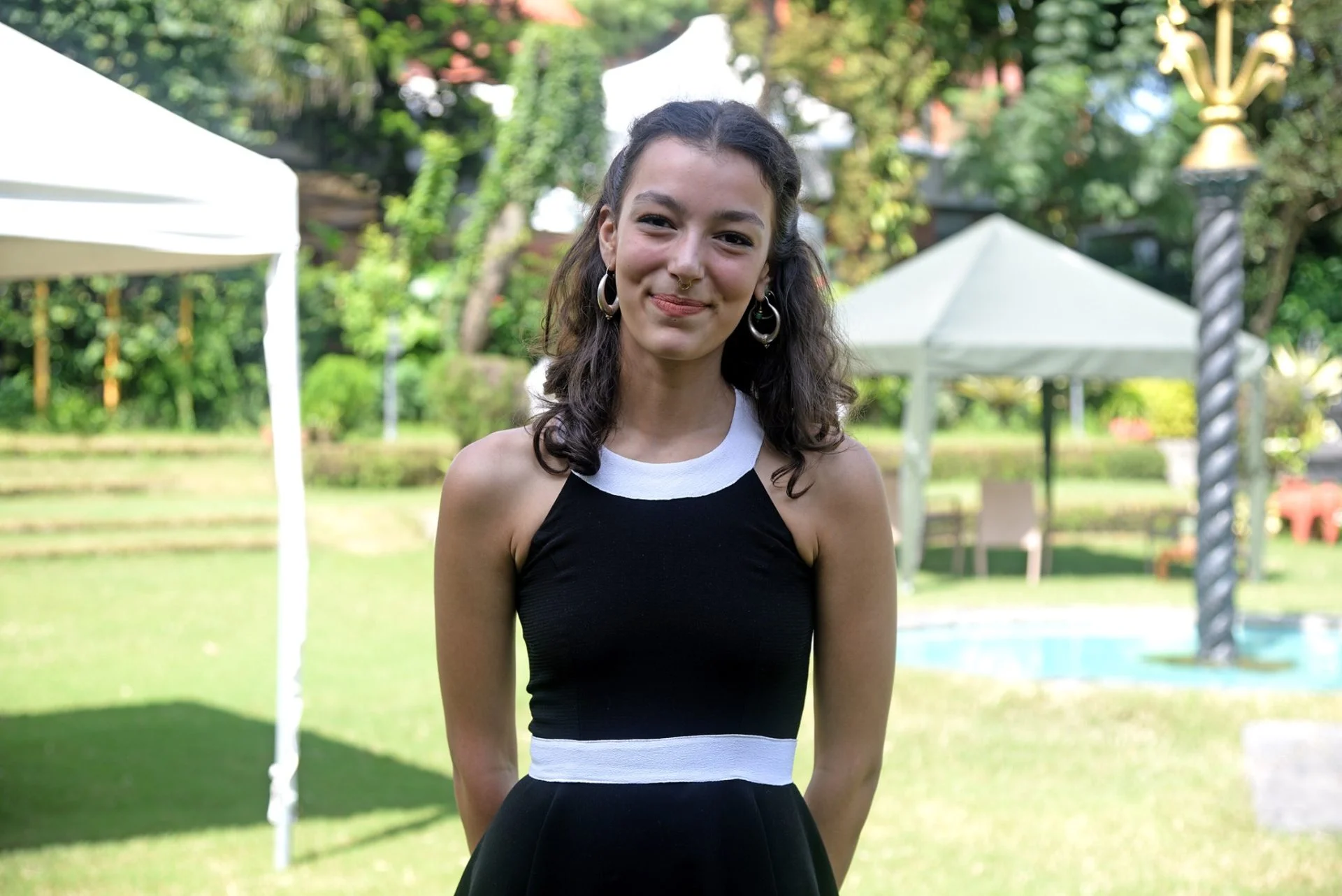
(Part 1/2) "I and my sisters went to school maybe for a few days in a month. The teachers would ask why we were not in school. “We do not have money for books and paper”, we would reply. To be true...
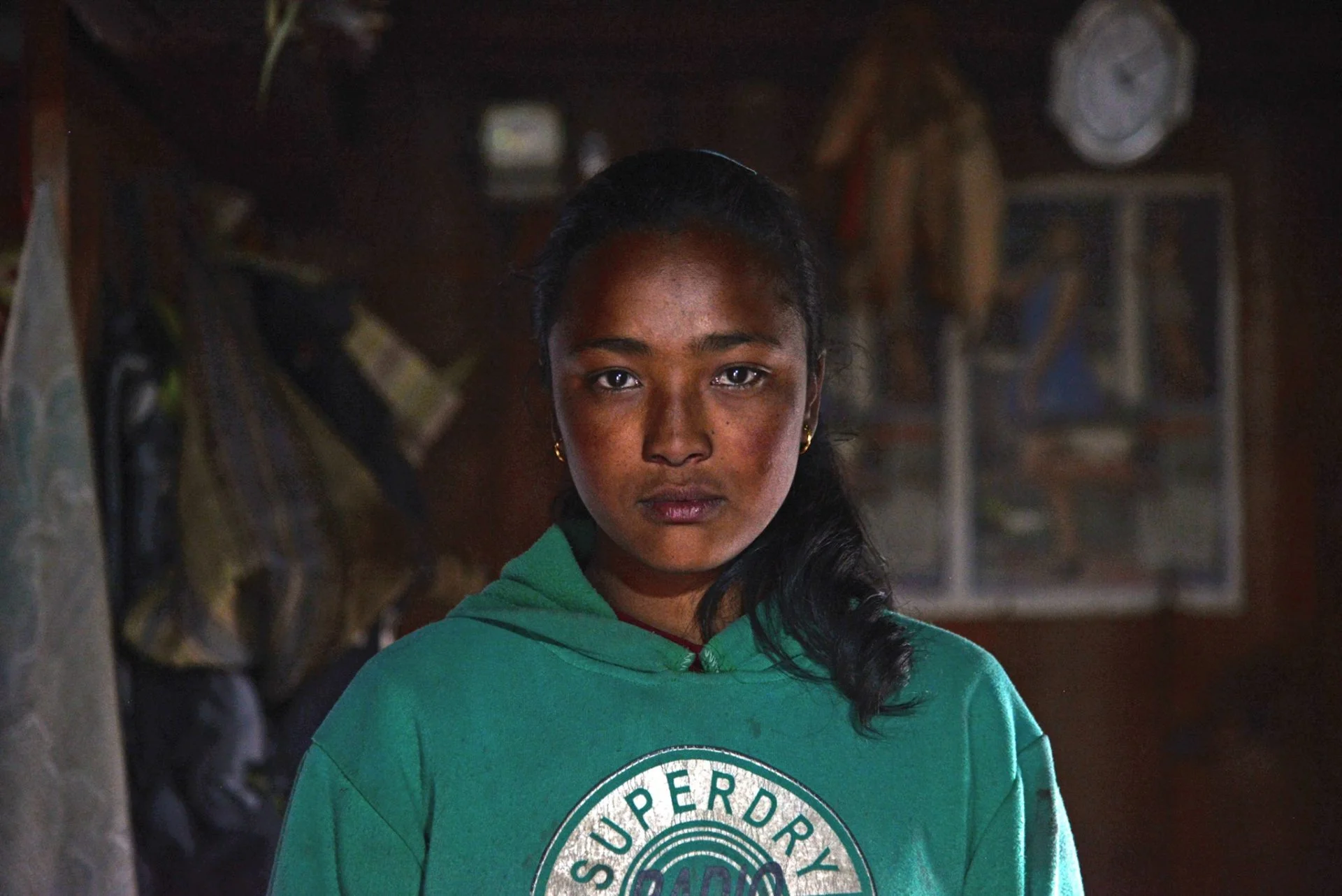
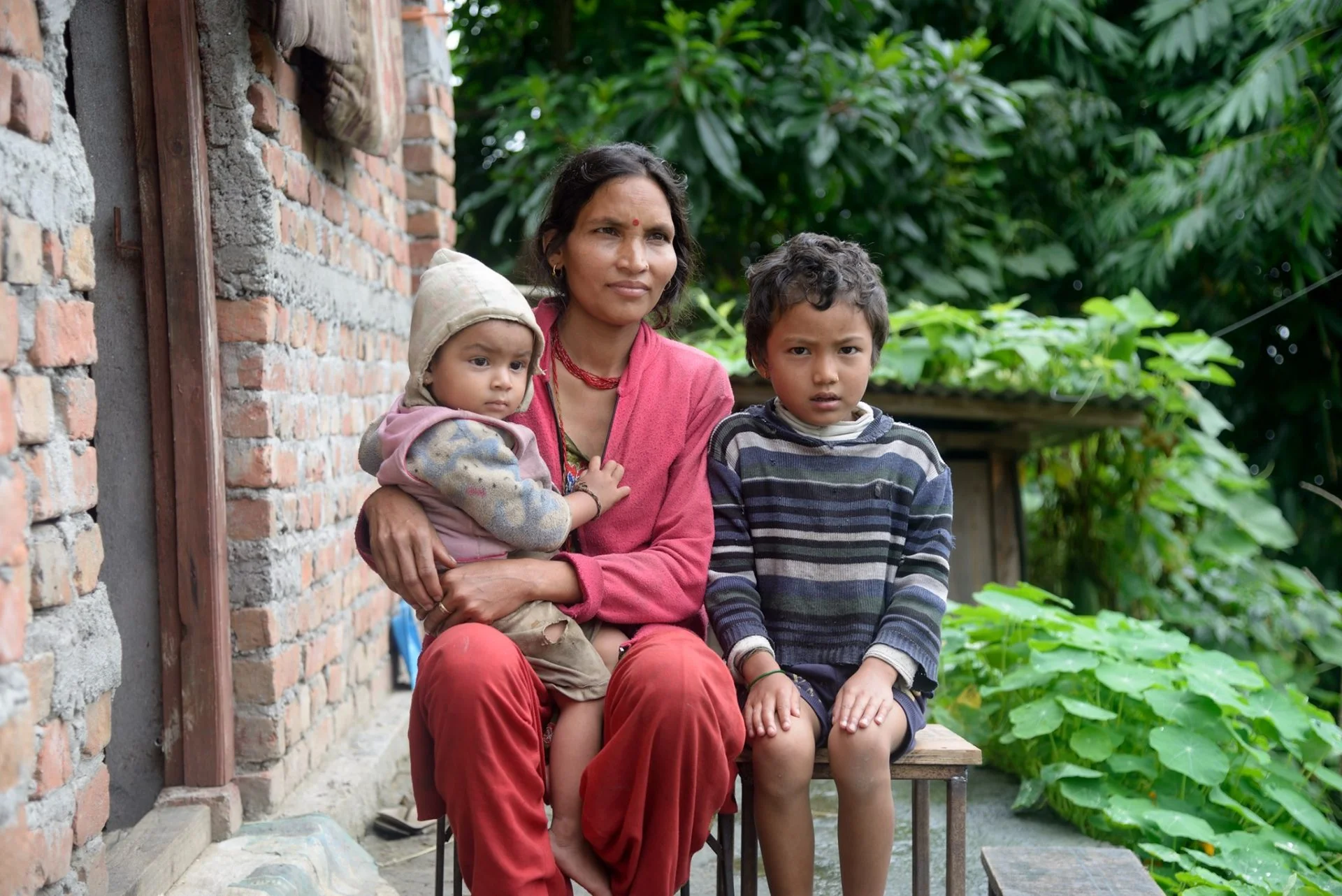
"I sell tea. But I also go to school. When I grow up and when I can read and write better, I am going to ask all the old and the young people here to gather and sit around me. Then I am going to give...
Our digital archive is a growing resource of photographs, narratives, and documentation about Nepal's diverse communities, landscapes, and traditions. Browse by region, theme, or creator.
Photographs
Stories
Districts
Contributors
Explore our ongoing visual documentation and field narratives that dive deeper into the rich, evolving cultural landscape of Nepal.
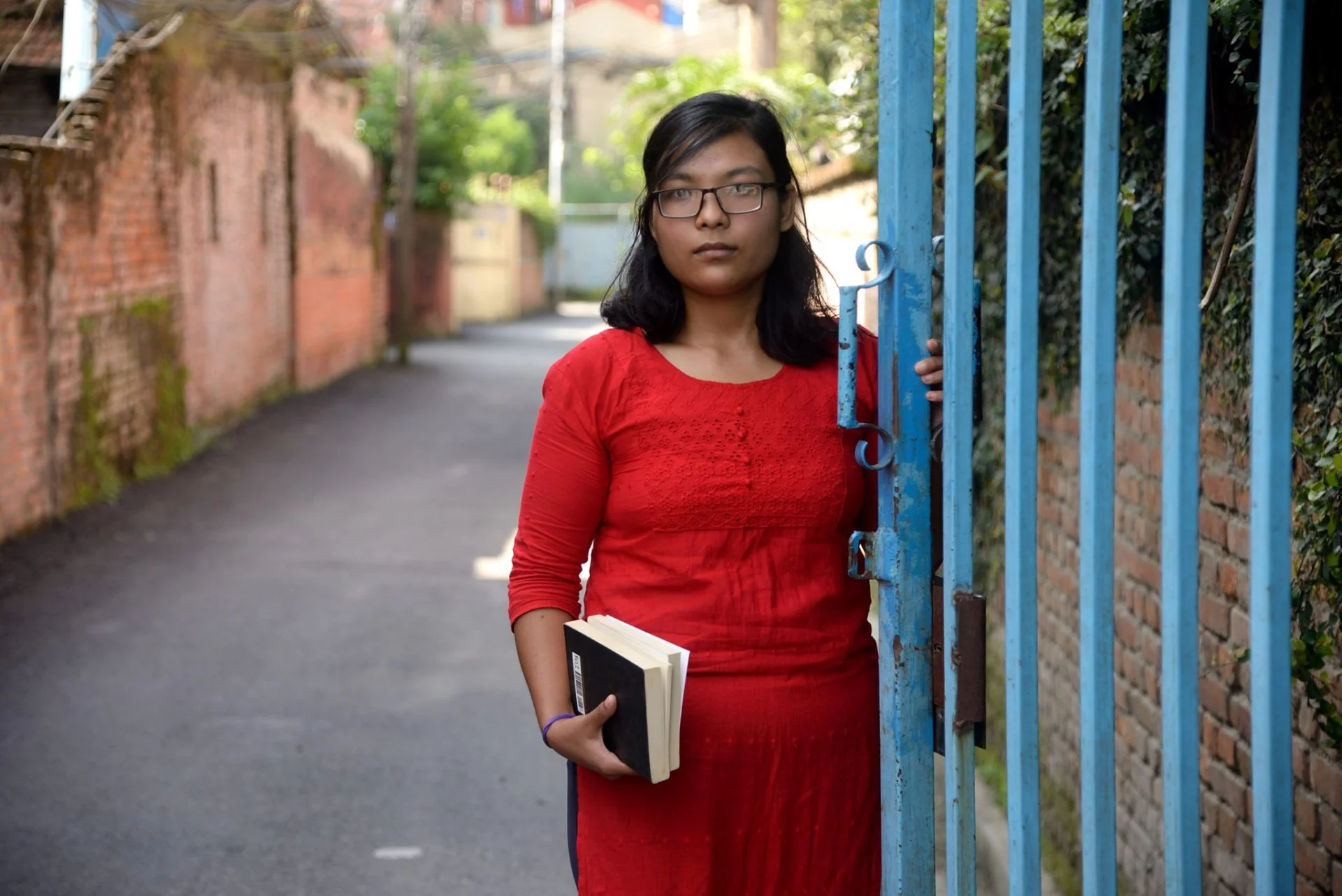
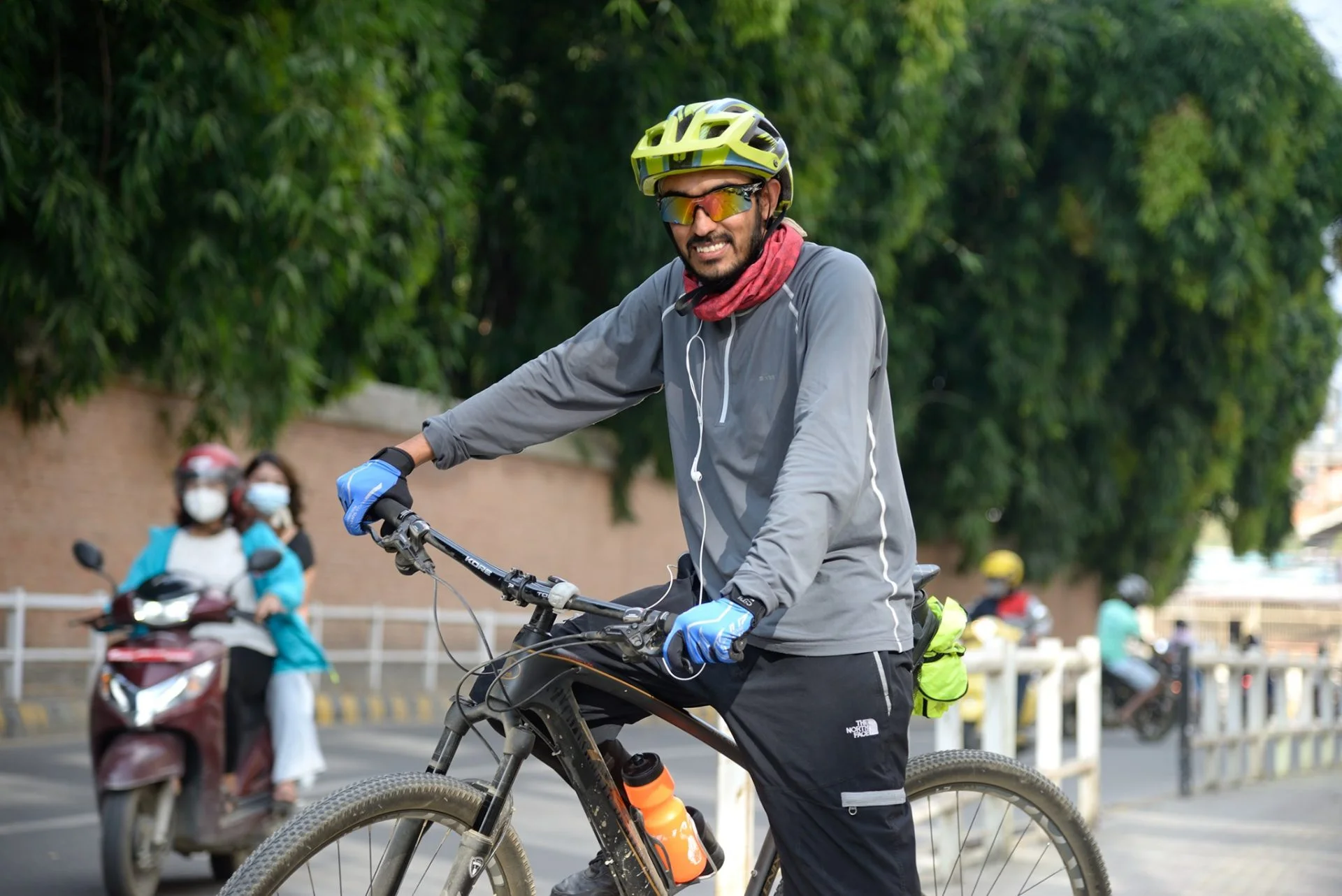
“My grandfather performs shamanic rituals at home to treat people in the community. He has been doing it for a long time. He has gained trust in the community due to his knowledge. Many people come...
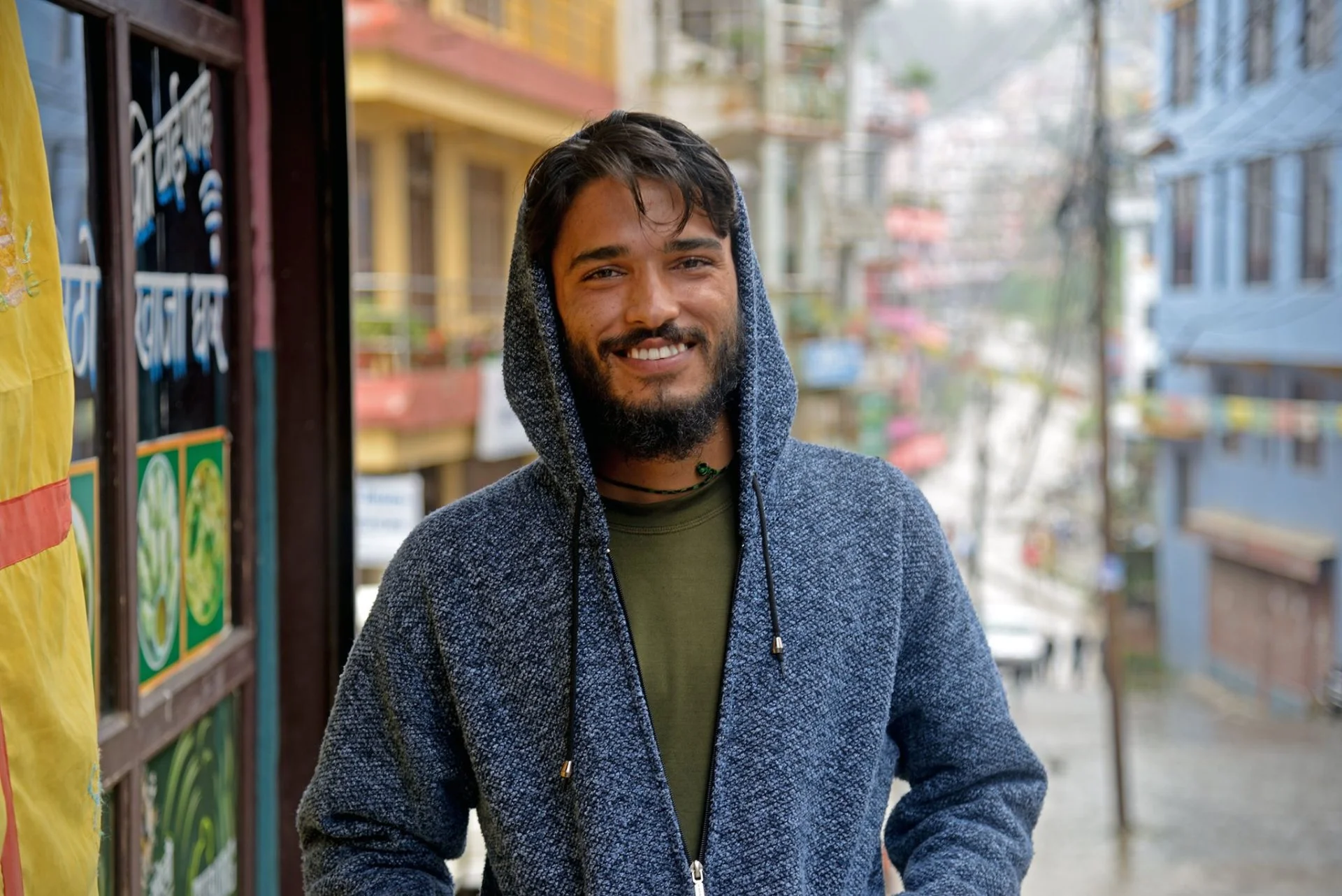
"I am happy that this lockdown has brought me home. It has taught me the importance of family. There is work in the fields these days. Recently I was busy sowing seeds. And now it is time for all of...
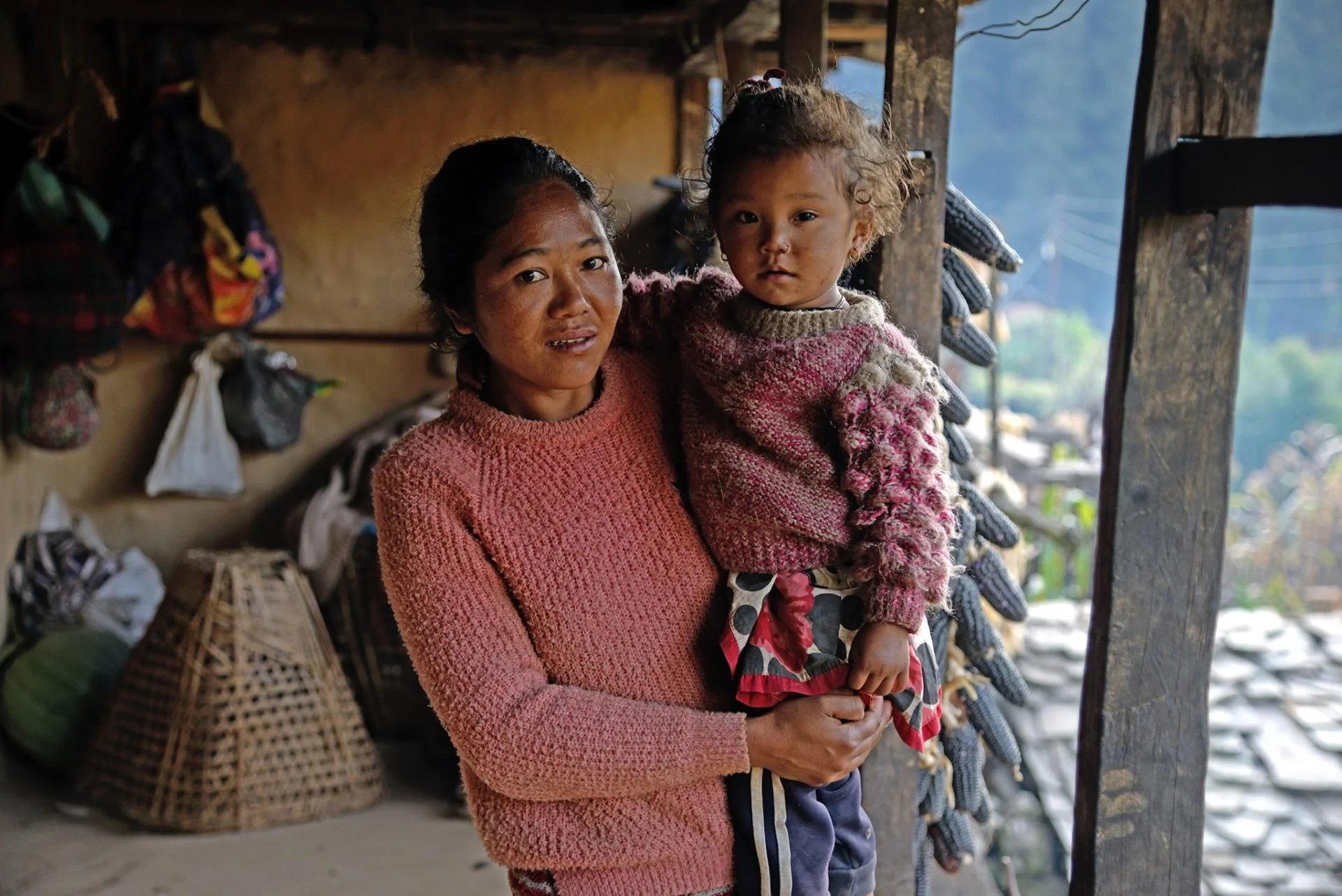
"I am soft-spoken but I have a strong will. Maybe that is why I walked all the way to Khalanga to get extra tuition classes. I rented a room with a few other girls whom I had convinced to join me. I...
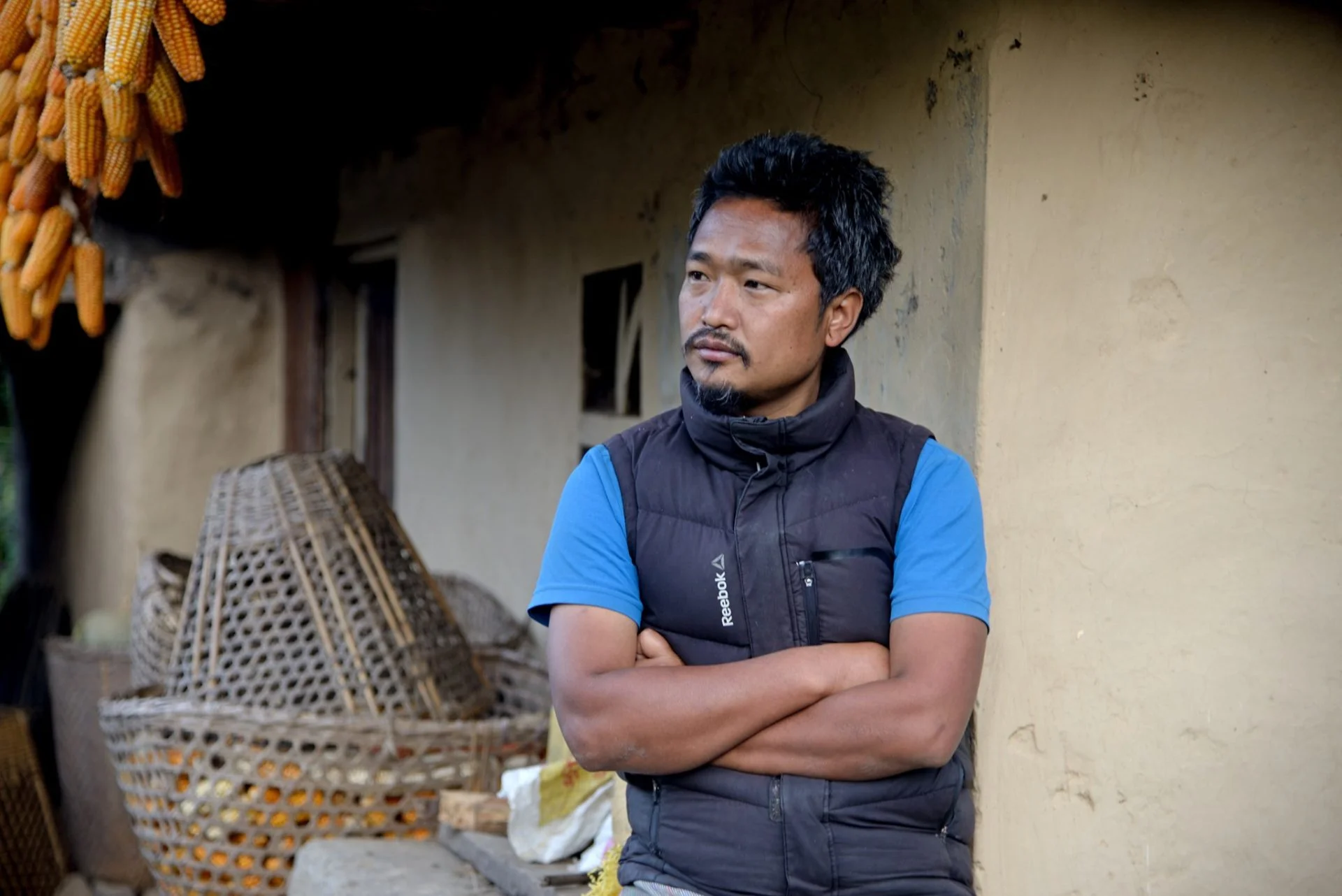
(Part 2/2) "I also witnessed orthodox practices of caste and discrimination. Our village comprises mostly of Magars, families from the Dalit community, and a few Gurung families. I still hear stories...
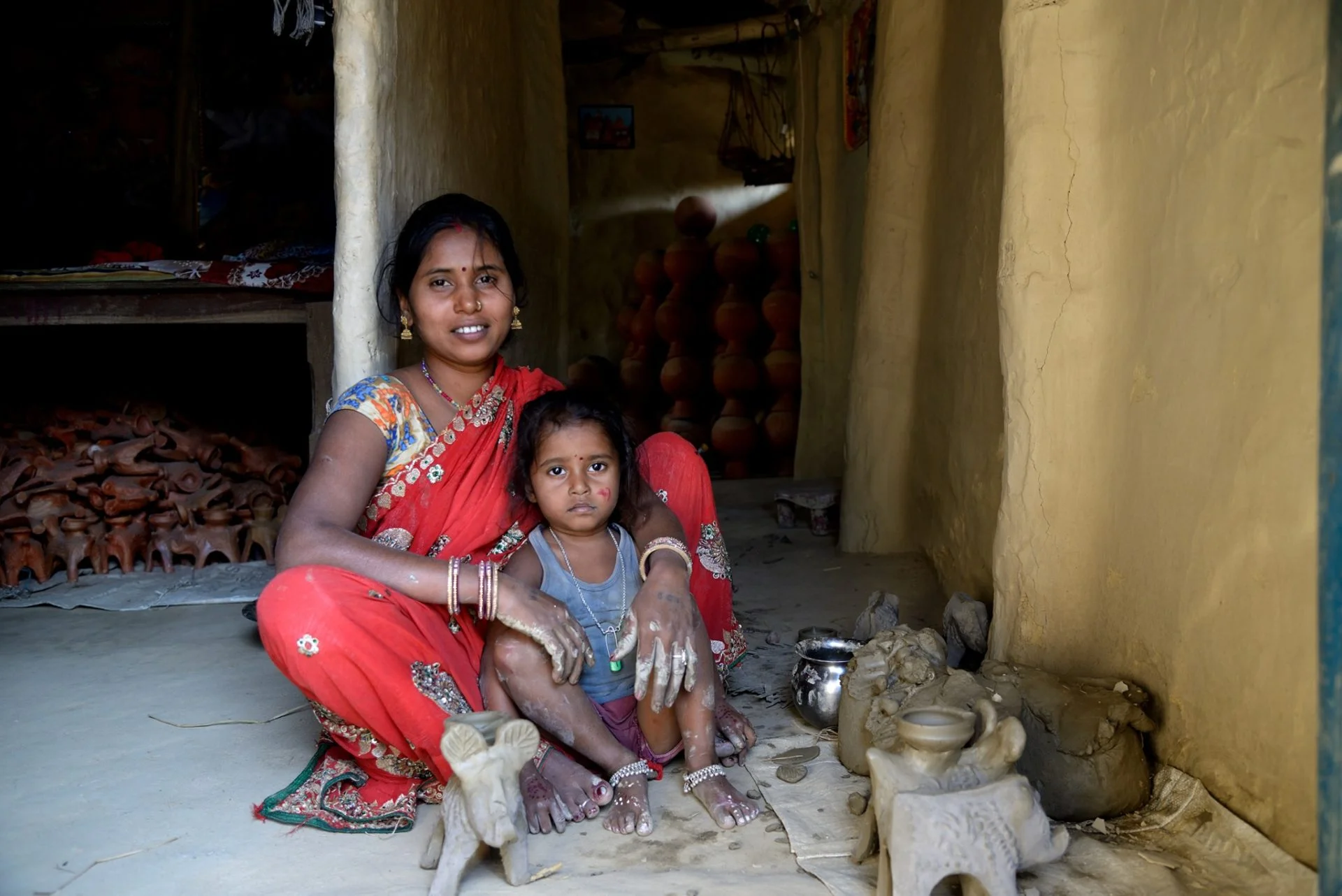
"Mother and father never showed me their tears. I knew they to sell a piece of land to buy gold and prepare the dowry money. I understood their fears. Many women who are married and go to their...
"I sell tea. But I also go to school. When I grow up and when I can read and write better, I am going to ask all the old and the young people here to gather and sit around me. Then I am going to give...
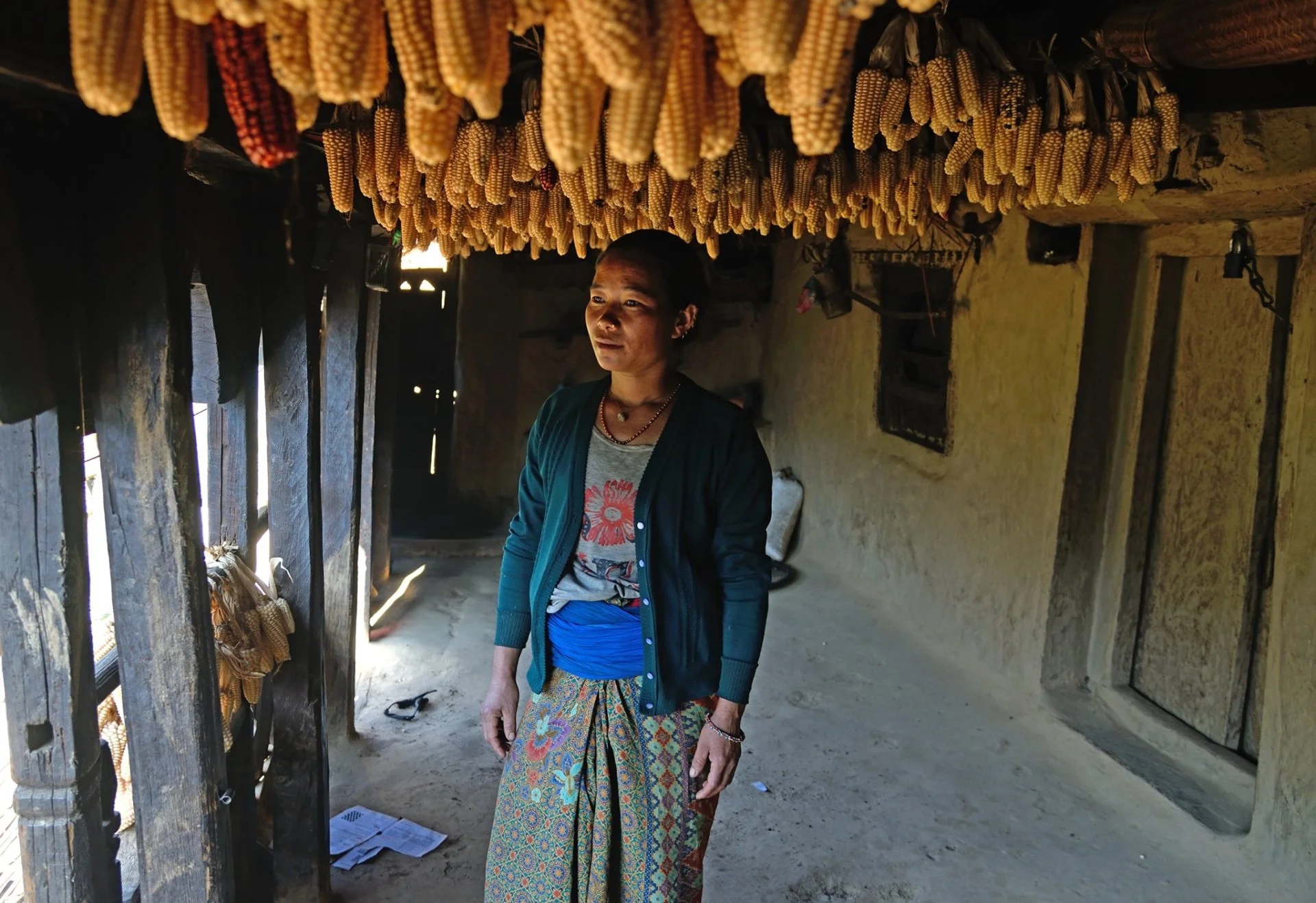
"I wanted to play with my girlfriends more than I wanted to go to school. I cannot blame my parents for not sending me to school. They did. When my father passed away I was 13 years old. I remember...
Daily visual diaries, field notes, and intimate moments captured during our documentation across Nepal.

storiesofnepal (Part 3/3) "My daughter was born by cesarean section at a hospital in Lahan. The surgery cost around 70,000 to 80,000 rupees, and once again, it was my parents who paid every expense. The bullet wound from my childhood continued to affect my health. I underwent two surgeries, but my body has never fully recovered. I cannot walk long distances or do physically demanding work. Even a short period of activity leaves me drained. Today, my two-year-old daughter and I live with my parents. They provide everything we need—our food, medicine, treatment, and daily expenses. My husband has never come to see his daughter or ask how we are doing. Sometimes I wonder what my life would have looked like if that bullet had never found me. Perhaps I would have finished my education, built a career, and stood on my own feet. The conflict took away my childhood. Society took away my confidence. Marriage took away my dignity. Yet I continue to hope that my daughter will inherit a future free from the suffering that shaped my own life." (Suman Kumari Mahato) @undivided_wwbp

storiesofnepal (Part 2/3) "Because I never had the chance to receive vocational training or higher education, I struggled to become financially independent. Even today, I wish I could work in a bank or an office—any job that doesn't require heavy physical labor. But my injured leg still limits me. Standing or walking for long periods is painful, and even an hour of work leaves me exhausted. Only a few months after my marriage, I began facing constant emotional abuse and humiliation from my husband's family. I was blamed, insulted, and never treated with dignity. Eventually, I spent more time at my parents' home than in my marital home. Then came another painful chapter. For three to four years, I could not have a child. My husband's family blamed me for it and subjected me to even greater pressure and emotional abuse. I cried countless nights and prayed endlessly. Eventually, I gave birth to a daughter. But motherhood did not bring peace. My husband drank heavily, used drugs, and often beat me. He accused me of things I had never done and subjected me to constant mental and physical abuse. Although ours was an arranged marriage, I was never trusted. His family always stood by him, never by me..." (Suman Kumari Mahato) @undivided_wwbp

storiesofnepal (Part 1/3) "I was only four or five years old when I was caught in crossfire. A bullet struck my leg. My mother was also shot in her thigh and leg, and she still carries the scars today. I was too young to remember what happened, but the consequences have stayed with me my entire life. To pay for my treatment, my father sold our farmland and property. Relatives told him, “She is only a daughter. One day she will leave for another family. Why spend so much on her?” But my father ignored them. He sold everything he could to save my life and remove the bullet from my leg. Looking back, I realize he wasn't just paying for treatment—he was fighting for my future. The injury left one of my legs shorter than the other. My childhood was never like that of other children. At school and in my village, people mocked me, calling me "the lame girl." Those words hurt far more deeply than the bullet itself. Despite everything, I loved studying. I reached Grade 11 before I was married. Before the wedding, I was promised that I would be allowed to continue my education. But once I arrived at my husband's home in Mahendranagar, that promise disappeared. I was told that a married woman belonged in the house, not in school. My education ended, and with it, many of my dreams..." (Suman Kumari Mahato) @undivided_wwbp


storiesofnepal "The greatest pain is not my own suffering. It is watching my children inherit the same fear that I inherited from my parents. I do not want my children to grow up believing they are less than others because they are Dalit. I do not want them to fear every knock on the door. I want them to go to school with confidence, to dream without limits, and to be treated with the same dignity as every other child. I may never become rich. I may never own much in this life. But if one day my children receive even a small piece of land registered in their own name, I will feel that my struggles were not in vain. One or two dhur of land may seem insignificant to others, but to us it would mean safety. It would mean dignity. It would mean that no one could tell my children they do not belong. This is all I ask. Let my children grow up on land they can finally call their own." (Chinta Devi Majhi)

storiesofnepal "As a Dalit woman, I carry another burden that my children also witness. There are still homes where I am not allowed to enter. There are doorsteps I cannot cross because of my caste. I can work outside, but I am not considered worthy enough to step inside. Even today, untouchability continues to steal our dignity. Being poor is hard. Being a woman is hard. Being Dalit is hard. But living as a poor Dalit woman without land means carrying all of those burdens together. There are days when I work from morning until evening just to earn enough for food. Buying land is something I cannot even dream about. We struggle simply to survive. Yet despite all our hard work, we continue to live with the fear of eviction. Sometimes people tell us to leave. They say this place is not ours. But where are we supposed to go? This village is the only home we have ever known. Our ancestors are buried here. Our memories are here. Our lives are here. We are not asking for someone else's land. We are only asking for the right to remain where our families have lived for generations..." (Chinta Devi Majhi)

storiesofnepal (Part 1/3) "I Only Want My Children to Stand on Their Own Land" I was born in this village. My parents lived here before me, and my grandparents spent their entire lives on this land. Now I am raising my own children here. Yet after generations, I still cannot say that this land is ours. I am a mother of four children. Every morning I wake up thinking about how I will feed them, how I will earn enough for the day, and how I can protect them from a future that feels uncertain. Poverty is difficult, but living without land is a different kind of pain. It is a fear that never leaves you. It follows you every day and every night. Our house stands here, but the land beneath it does not belong to us. We live on unregistered public land, and at any moment someone can come and tell us to leave. Imagine raising your children knowing that the only home they have ever known could disappear overnight. My children already understand this. They ask me, "Mother, if they make us leave, where will we go?" I have no answer that can comfort them. I smile because I have to, but inside I am terrified. People who own land carry a certificate that proves they belong somewhere. We have nothing to show. Wherever we go, they ask for a land ownership certificate. When we cannot produce one, we are treated as though we do not belong anywhere...(Chinta Devi Majhi)

storiesofnepal “The state took my father away from us when I was just a child. Growing up as a girl in a Madheshi community is difficult even when a father is present. I did not have that privilege. I was only two or two-and-a-half years old when it happened. As the eldest daughter, I watched my mother carry the weight of our entire family alone. When I was young, I used to watch television serials where someone died and then returned in the next episode. For a long time, I believed my father would come back the same way. I waited for him, not fully understanding what death meant. I still remember helping in the fields. Vegetables grew there, and I would water them while carrying my baby brother on my hip. When people spoke about what had happened to my father, no one told me the whole story. I was too young to understand, yet old enough to feel the emptiness he left behind. As I grew older, I realized something important. Even though I had lost my father, I still had my mother. She became both mother and father to me. But for her, there was no one. She carried her grief in silence while raising us and fighting to keep our future alive. Over time, we also received compensation from the state, around one million rupees in total, paid in small installments. With that money, we bought land and built a house. I grew up without a father, but life gave me something I never expected. My father-in-law treats me as though I am his own daughter. My husband supports me in every way he can. Even my mother-in-law speaks of me with affection and care. Just days after the wedding, I needed to travel to Biratnagar for work. My father-in-law went out saying, “How will my daughter-in-law travel?” and returned with a scooter for me. There are still moments when I miss my father and wonder what life might have been like if he had lived. But when I look around today, I see something powerful. A mother who refused to give up. A daughter who received an education. And a family built not only through loss, but through resilience, love, and hope.” (Ravina Shah) 📹 Watch Ravina Shah's full video story in our BIO. 📹 #memoriesofwar with @undivided_wwbp
Receive weekly dispatches from the field—stories of resilience, tradition, and the changing landscape of Nepal delivered quietly to your inbox.