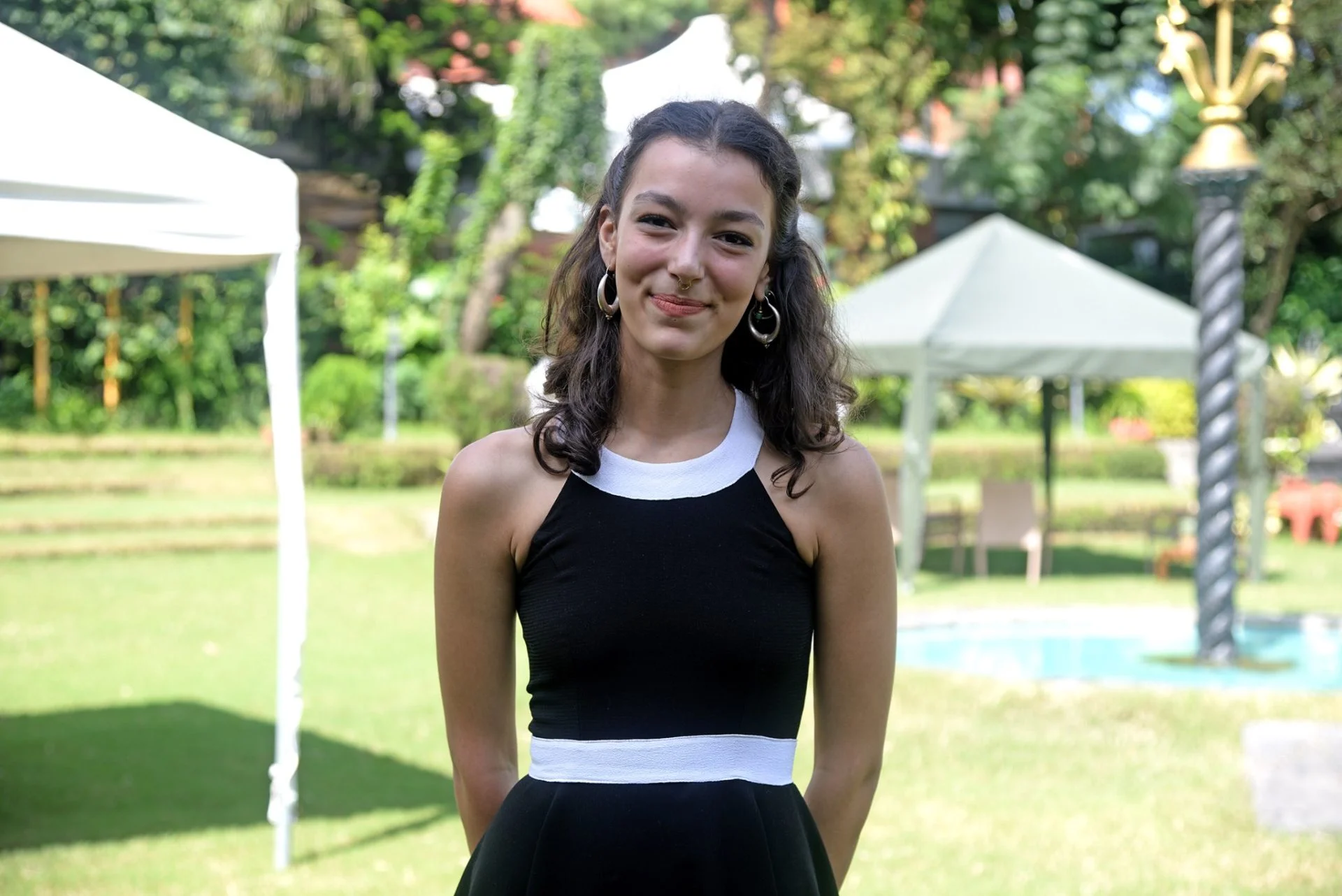
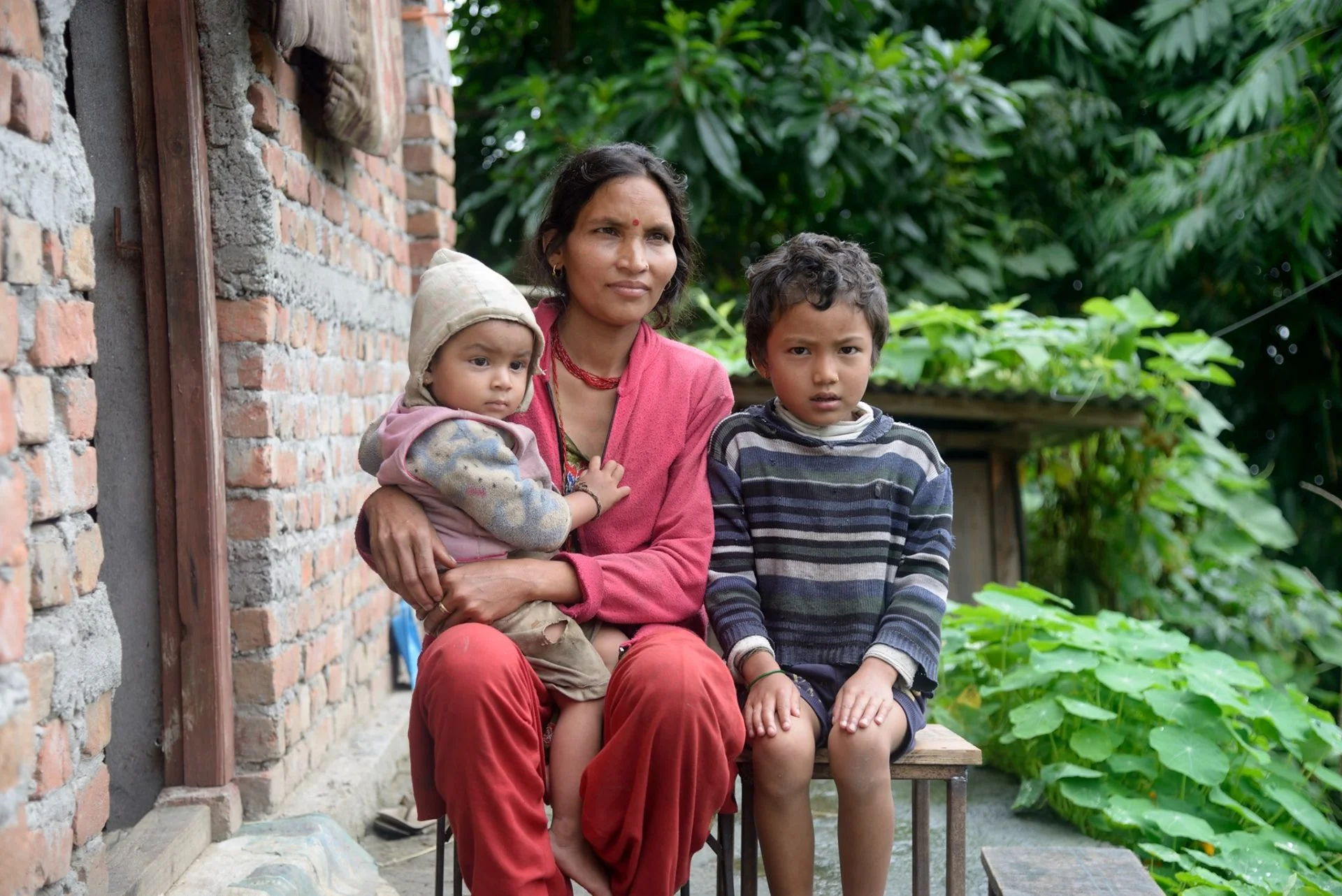
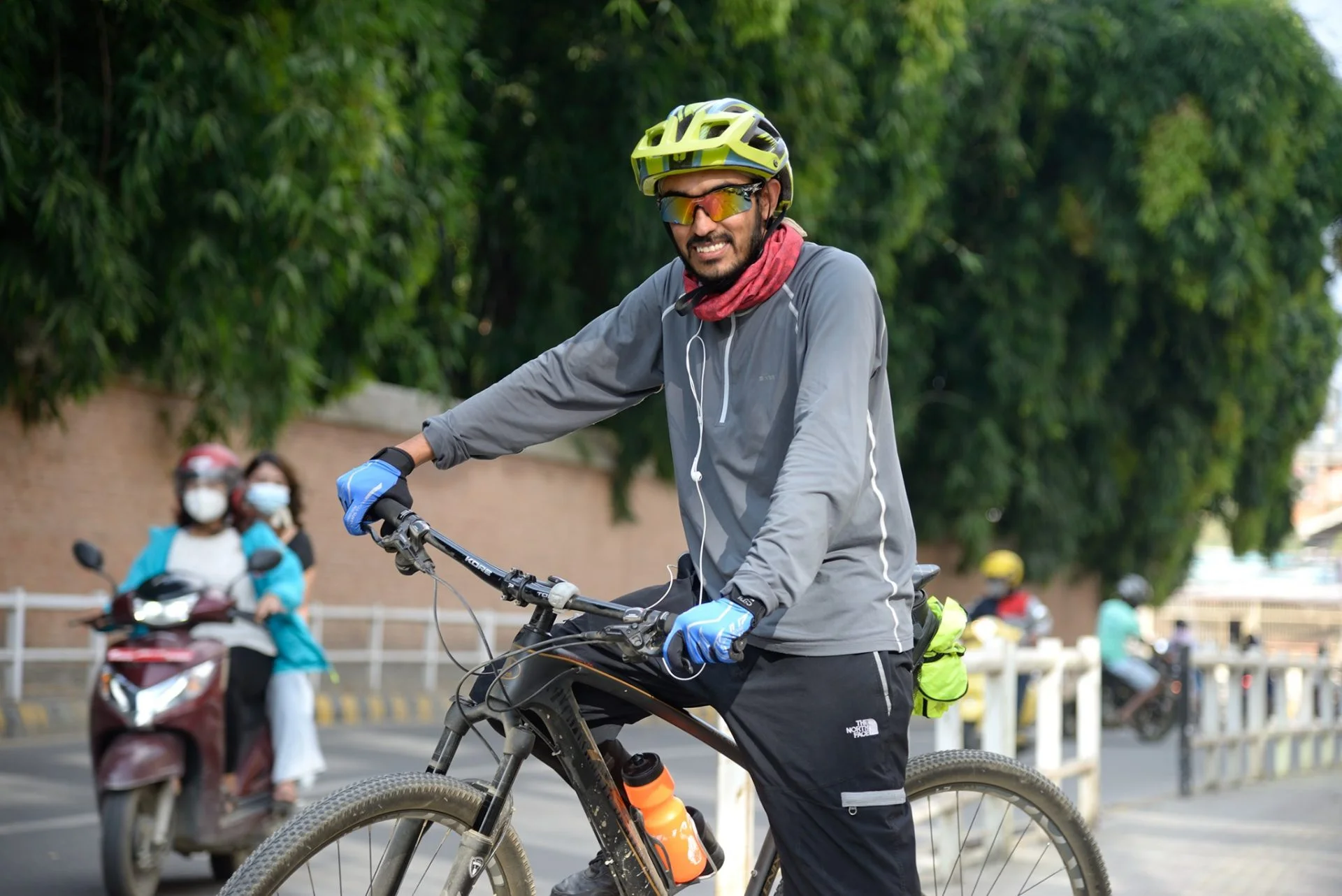
Our digital archive is a growing resource of photographs, narratives, and documentation about Nepal's diverse communities, landscapes, and traditions. Browse by region, theme, or creator.
Photographs
Stories
Districts
Contributors
Explore our ongoing visual documentation and field narratives that dive deeper into the rich, evolving cultural landscape of Nepal.
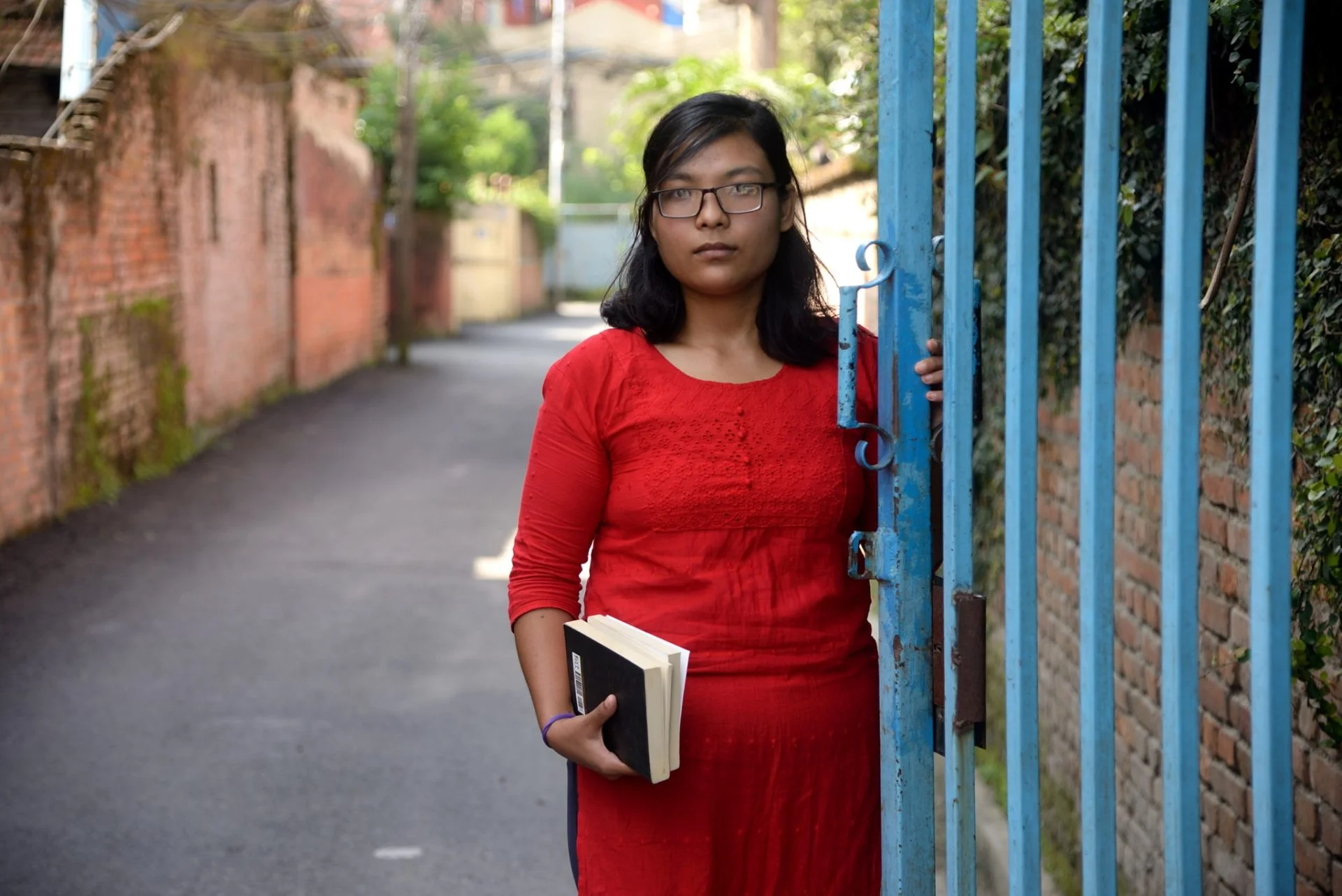
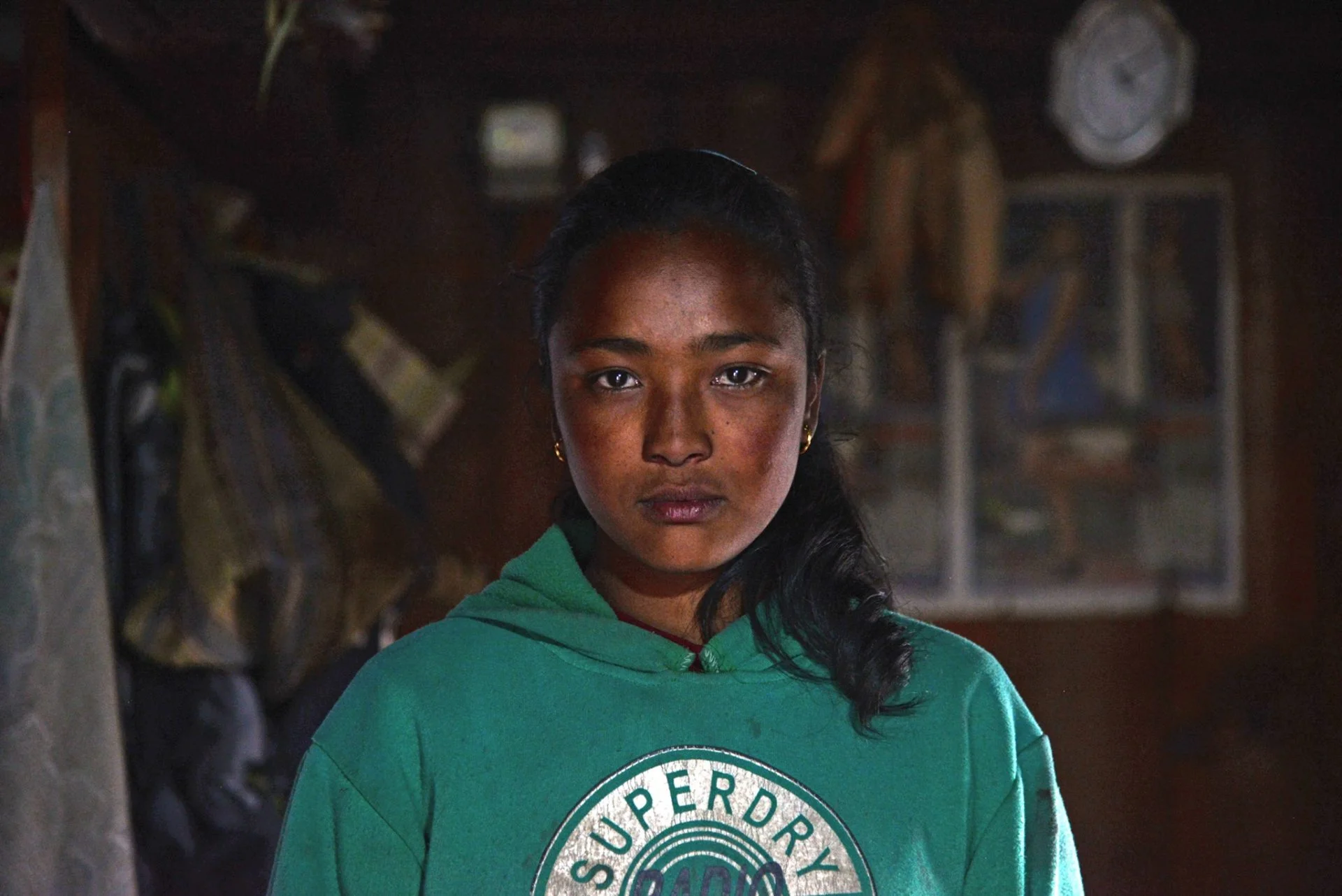
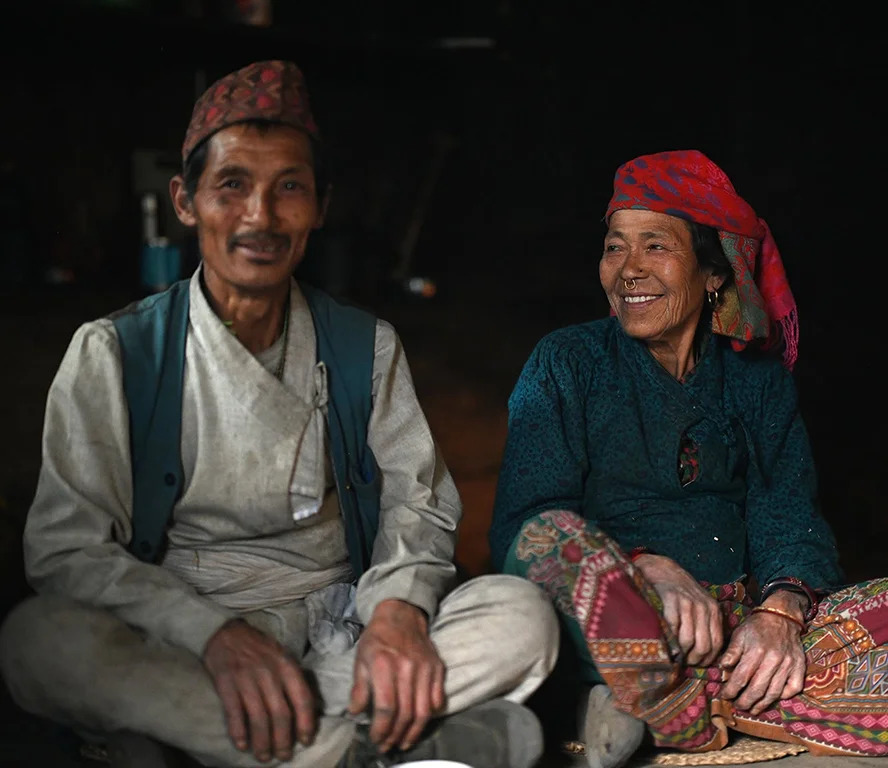
“My grandfather performs shamanic rituals at home to treat people in the community. He has been doing it for a long time. He has gained trust in the community due to his knowledge. Many people come...
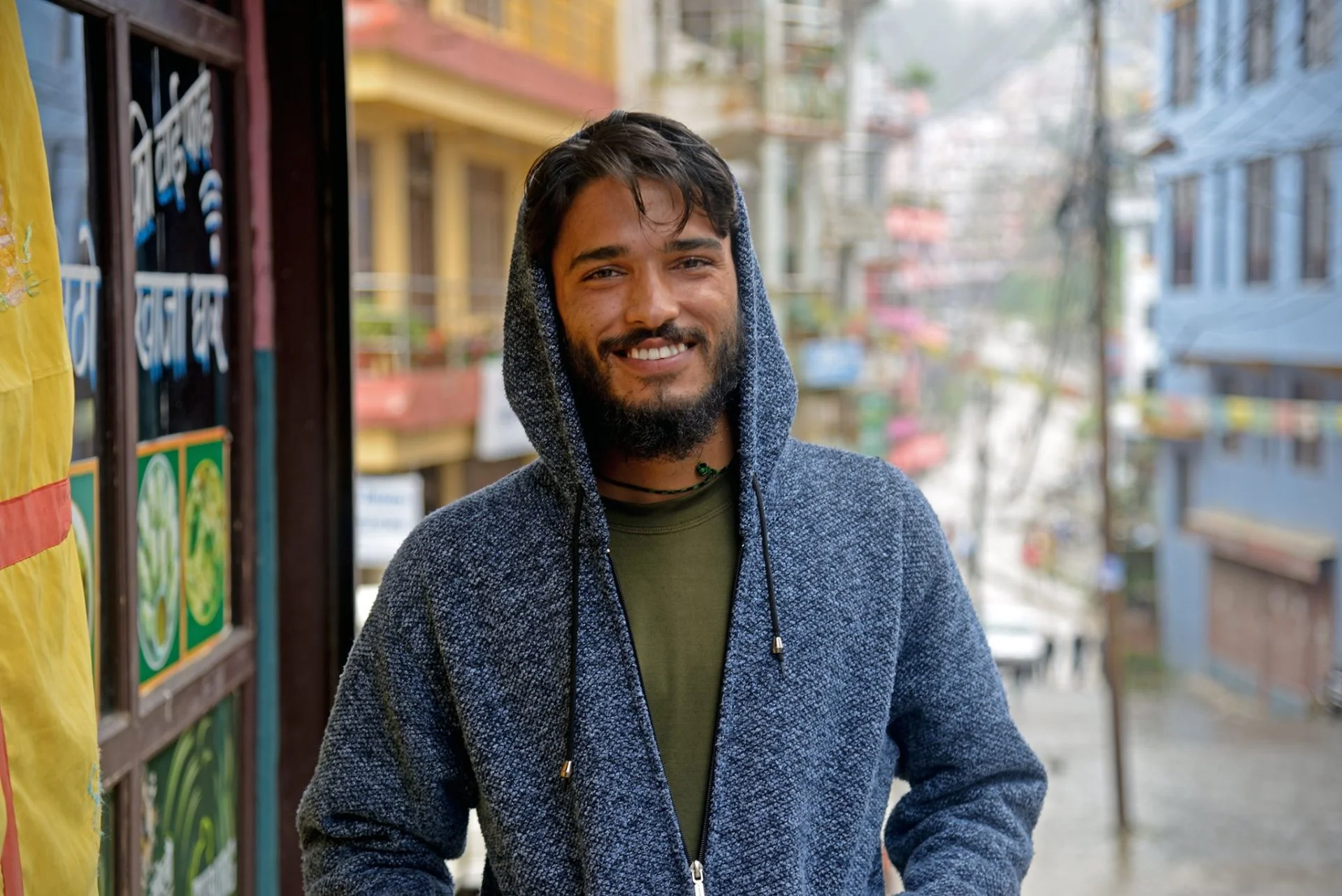
"I am happy that this lockdown has brought me home. It has taught me the importance of family. There is work in the fields these days. Recently I was busy sowing seeds. And now it is time for all of...
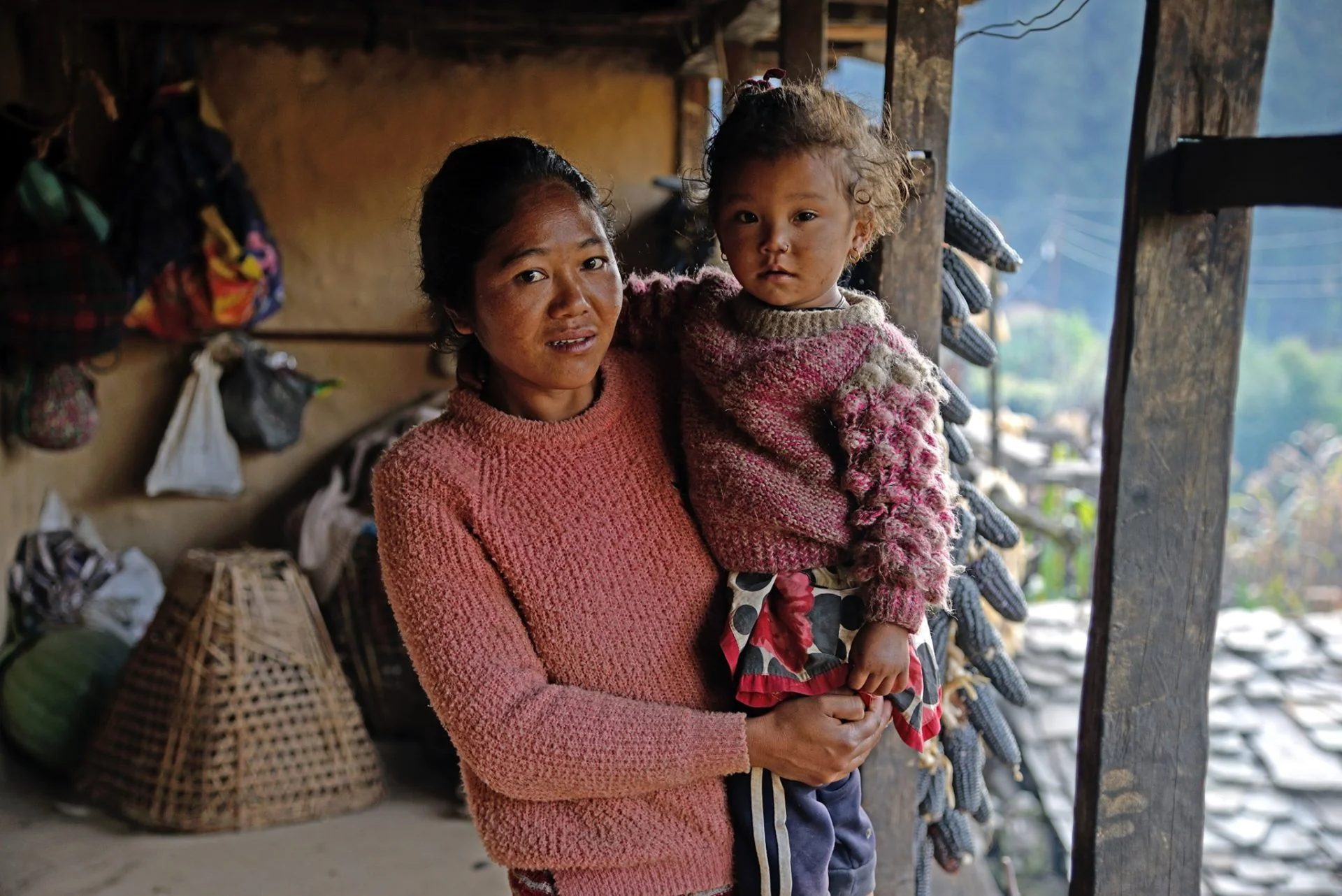
"I am soft-spoken but I have a strong will. Maybe that is why I walked all the way to Khalanga to get extra tuition classes. I rented a room with a few other girls whom I had convinced to join me. I...
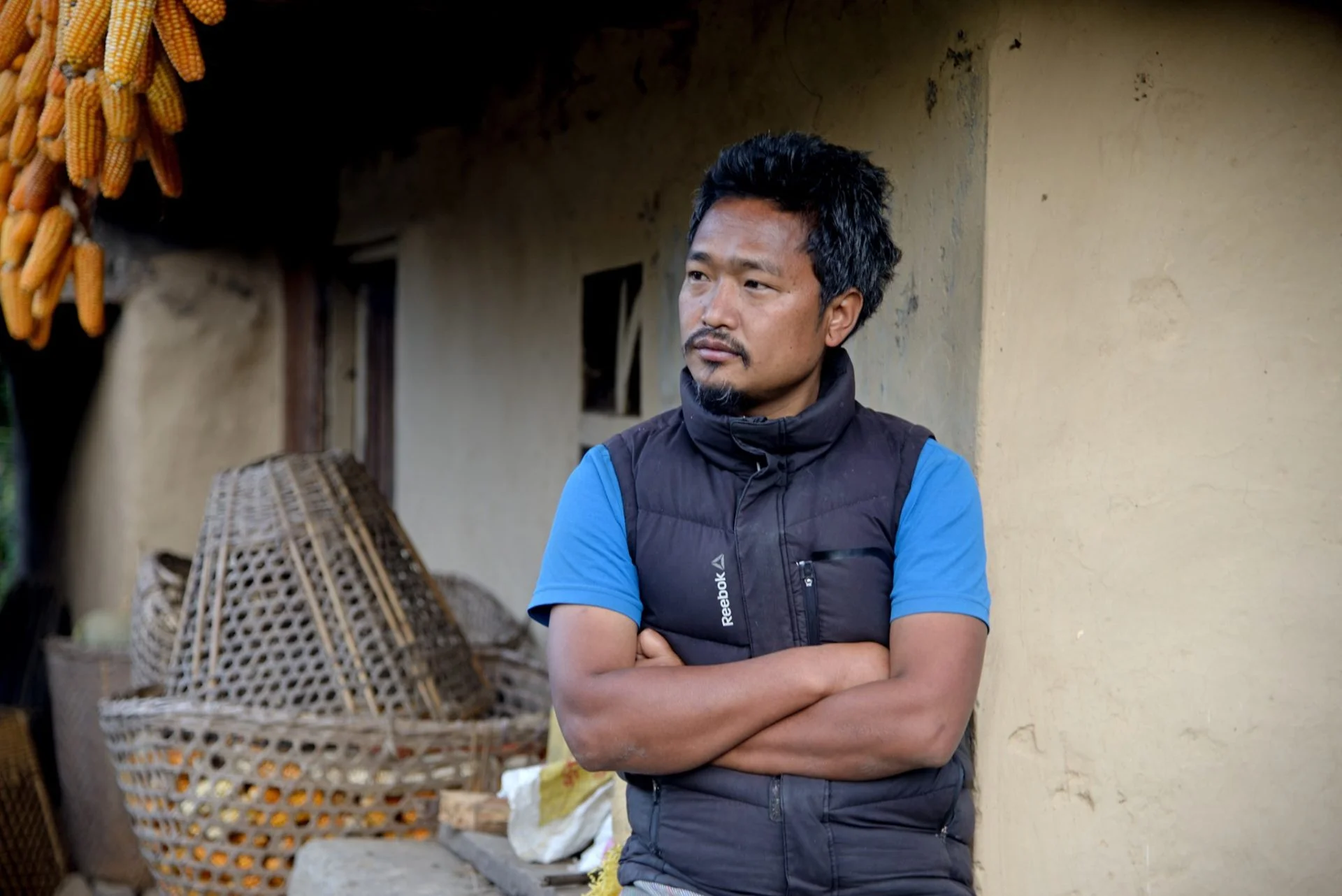
(Part 2/2) "I also witnessed orthodox practices of caste and discrimination. Our village comprises mostly of Magars, families from the Dalit community, and a few Gurung families. I still hear stories...
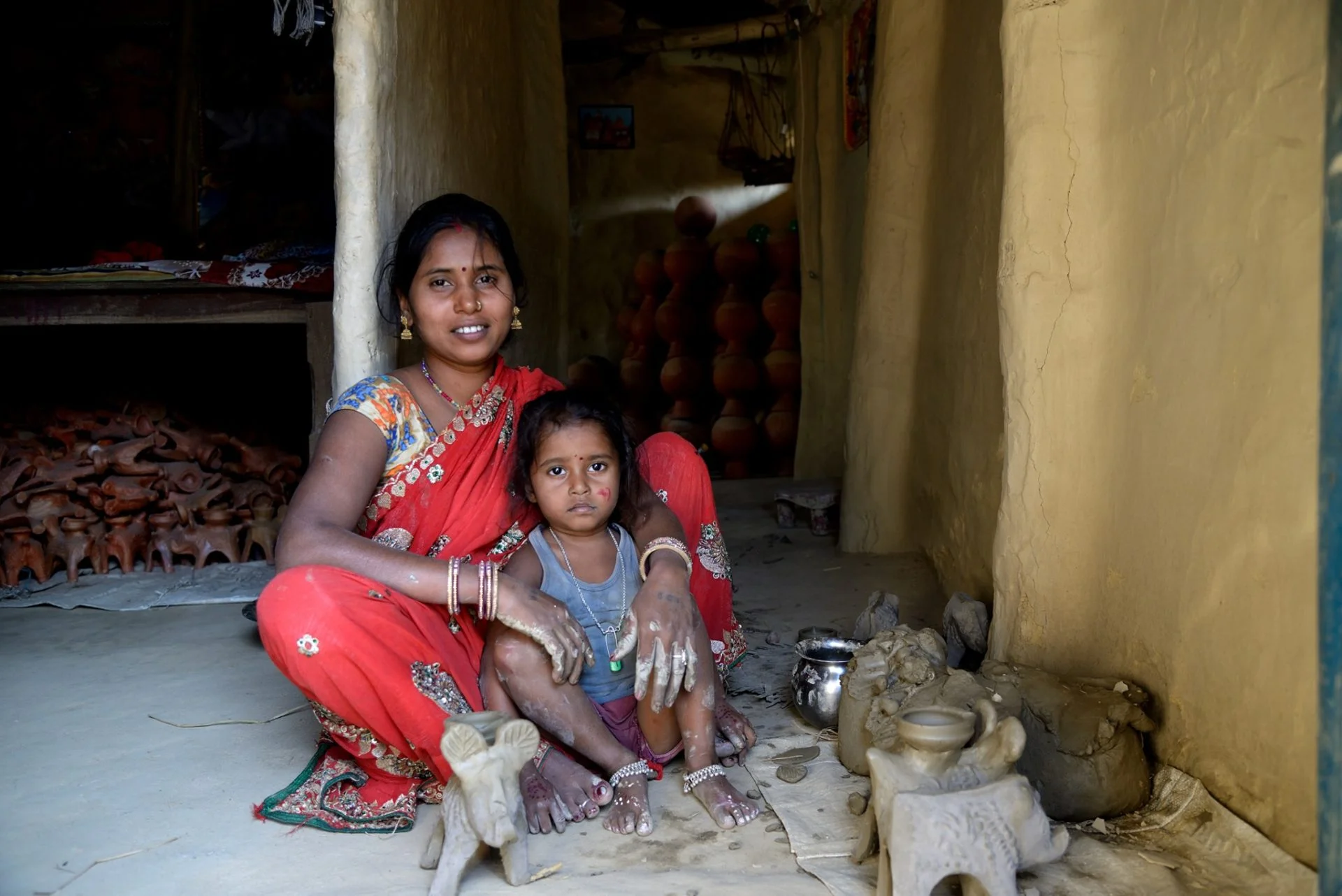
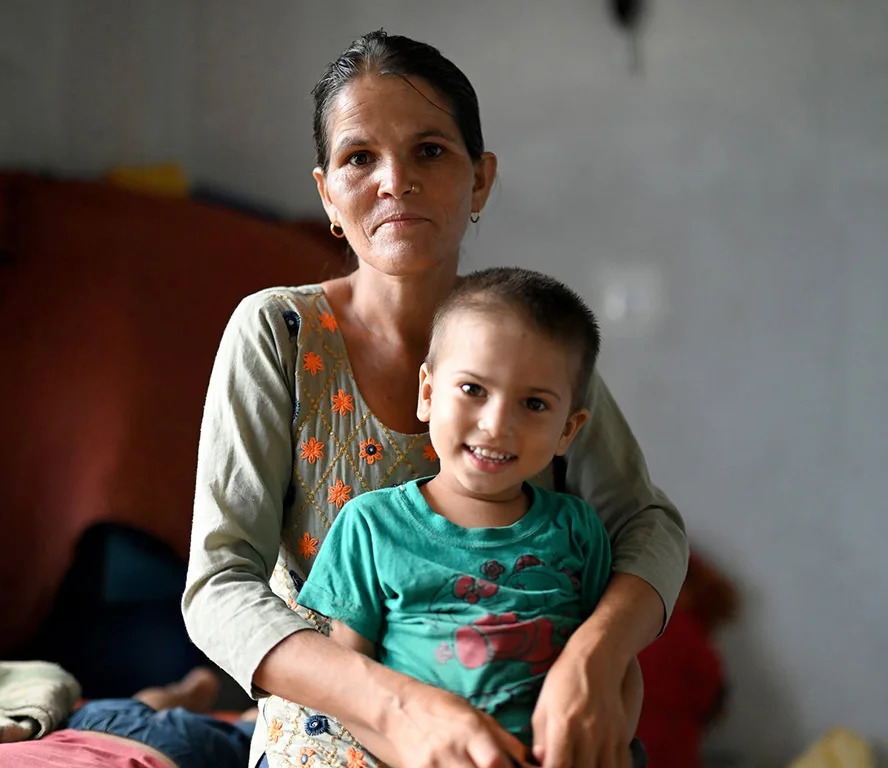
"Mother and father never showed me their tears. I knew they to sell a piece of land to buy gold and prepare the dowry money. I understood their fears. Many women who are married and go to their...
"I sell tea. But I also go to school. When I grow up and when I can read and write better, I am going to ask all the old and the young people here to gather and sit around me. Then I am going to give...
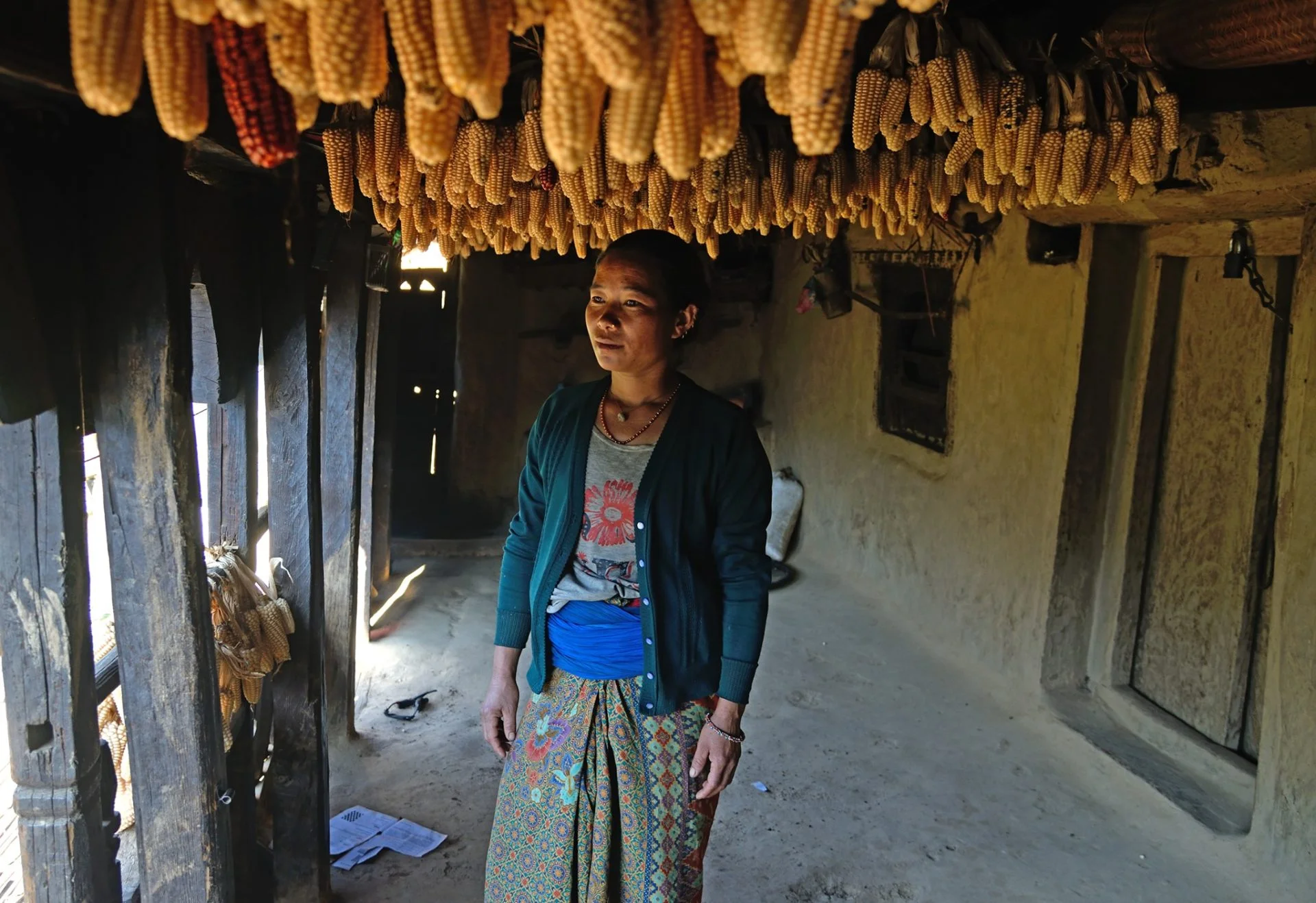
"I wanted to play with my girlfriends more than I wanted to go to school. I cannot blame my parents for not sending me to school. They did. When my father passed away I was 13 years old. I remember...
Daily visual diaries, field notes, and intimate moments captured during our documentation across Nepal.
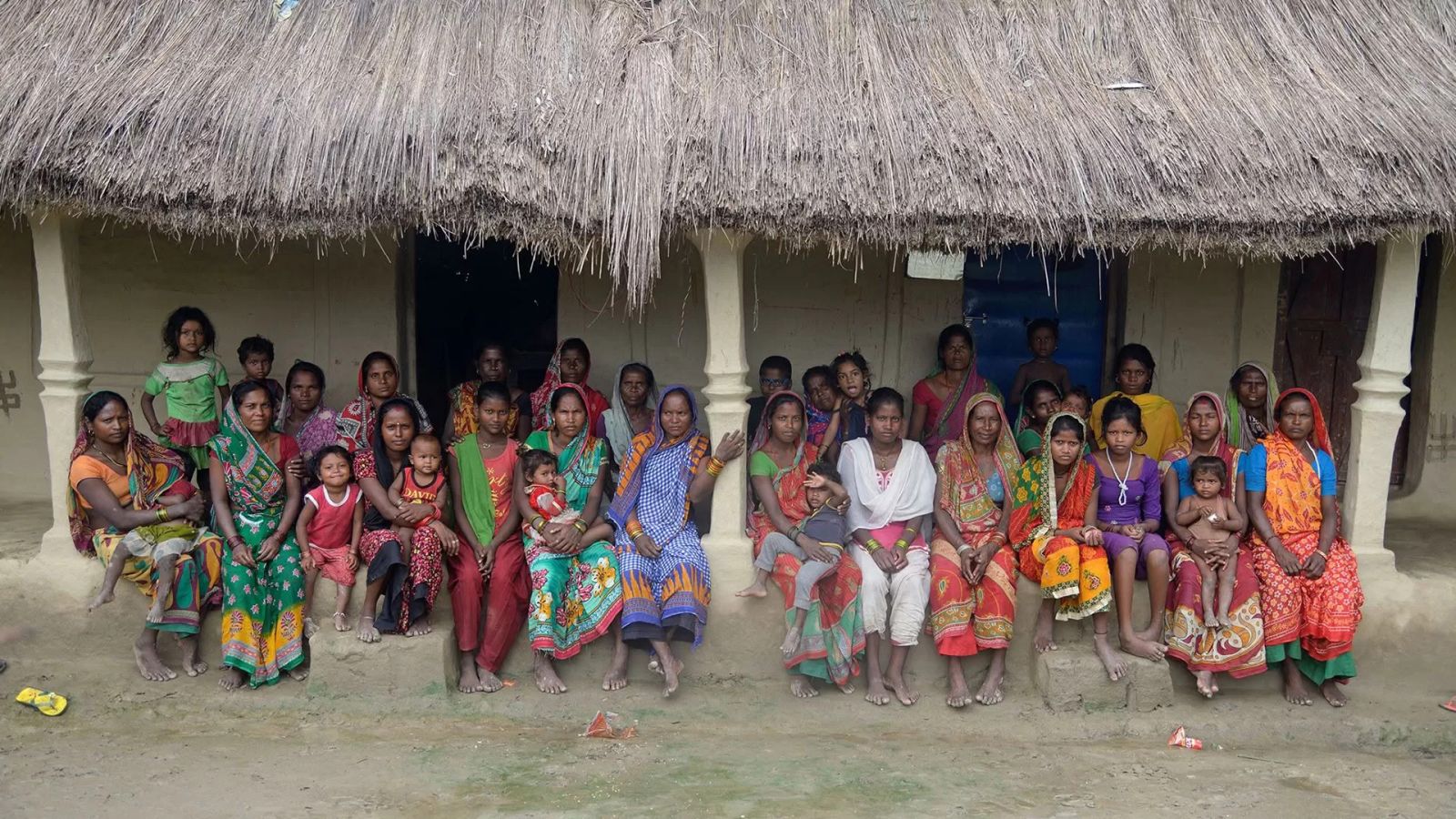
storiesofnepal (Part 3/3)”After all these years, one question still remains: If we cannot stay here, where will we go? We live on ailani land, and because of that, there is a fear that lives with us every day—the fear that one day someone will come and tell us that we have to leave. People remind us that this is government land and that we could be removed at any time. We understand the law. But there is one question we cannot escape: if we are made to leave, where will we go? We are poor people. We have spent our lives here. We raised our children here, and now our grandchildren are growing up in the same place. We are not trying to take anyone else’s land. We only want a home where our family can live without the fear of losing everything. There are fifteen of us in this family. Sometimes we think that if we lose this home, we may have to go to India. But how do you leave the only place you have ever called home? Our work is here. Our memories are here. Our children grew up here. Our grandchildren know this courtyard as their world. My sons studied up to Grades 10, 11 and 12. But even after studying, stable work has remained out of reach. My father had a small piece of land. It was not much, but it gave us something to hold on to. My children have not even inherited that. They have inherited our struggle, but not the land that could have given them security. But my greatest fear is not for myself. It is for my grandchildren. I do not want them to grow up like us, wondering whether the home they sleep in tonight will still be theirs tomorrow. I do not want them to stand at the same doorway one day and ask the same question we have been asking for years. We have waited a long time for an answer. If the law allows us to own this land, please give us the Lalpurja. If it does not, please do not leave us without a home. Give our family a lawful place to live—somewhere our children can sleep without fear and our grandchildren can dream about tomorrow. We are not asking for someone else’s land. We are only asking for a safe tomorrow for our children and grandchildren.” (Bela, Ishwarpur, Sarlahi)
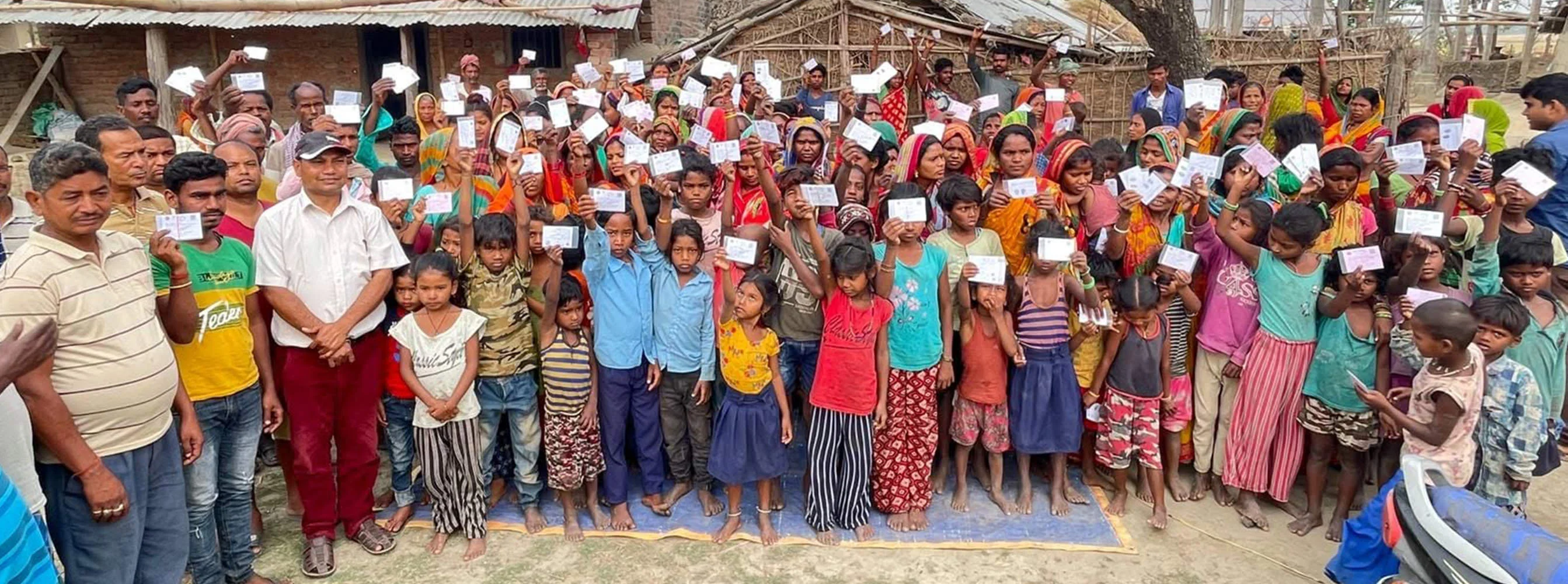
storiesofnepal "Like many girls living along the Nepal-India border, I came to Nepal after marriage and began living in my husband's home in Nepal. For families like ours, the border has never completely separated people. For generations, marriages, births, relatives, language, festivals and culture have connected families on both sides. I was born in India, but after marriage, my life became rooted in Nepal. My husband used to sing, dance and perform, and he played the Dholak. I worked too, while raising our children and managing the household. He also drank, and sometimes much of what he earned went towards alcohol. I had to make whatever remained stretch as far as possible. Today, when he gets work, he can sometimes earn two or three thousand rupees. My sons also work when they can. But after all these years, we still don't have land registered in our name. Without a Lalpurja, even getting a bank loan becomes difficult. How can we provide land documents when we don't have them? Where would poor people like us find five or ten lakh rupees without something to use as security? Sometimes we earn only four hundred rupees a day. We cut firewood and do whatever work we can find. We are used to working hard. What hurts is that after a lifetime of work, we still have no land to leave our children. There are fifteen people in our household. When I look at them, I wonder what will happen if we are told to leave. For us, a Lalpurja is not just a piece of paper. It is the possibility of security for our children and grandchildren."
storiesofnepal (Part 1/3) “Our home was previously in Bhelahi. Now we live in Chakraghatta-2, on what we have been told is ailani, government land. We have lived here for years, but we still don't have a Lalpurja in our name. Many times, we were told we might eventually get one, so we kept waiting and hoping. This is where we built our home, raised our children and watched our grandchildren grow up. For others, it may be government land. For us, it is the only home we have known for years. Our forefathers once had land, but they lost it while repaying loans. Little by little, everything was gone. I often wonder what our lives would have been like if our family had been able to keep that land. But we cannot change the past. We can only think about what we will leave for our children. We once went with our citizenship certificates because we had heard we could get a Lalpurja. We thought perhaps our long wait was finally over. But we were told the land was recorded as gaucharan, or grazing land, and that a Lalpurja could not be issued. I don't know what the government will ultimately decide. If the land is legally required for a public purpose, then the law has to be followed. But I have one question: if we cannot stay here, where will we go? We have no other house. We have no other land. We have nowhere else to return to. For us, this is not simply a question of land ownership. It is a question of where our family will live tomorrow.” (Bela, Ishwarpur, Sarlahi)
storiesofnepal "The story of our settlement goes back generations. Most of this land once belonged to Jimdars, who controlled large tracts of land. During the Rana period, people close to the ruling power were often granted land as Birta. We, the Musahars, were never given land. Instead, we were forced to work on the Birtas in return for permission to live here. We had little choice: resist and risk becoming homeless, or till their fields and keep a roof over our children’s heads. So we stayed, worked and endured. They claimed the land through power—guns, authority and laws that favored them. But to us, this was never simply land. Our families grew up here, our children were born here, and generations have spent their lives here. My parents remember when there were only a few houses. Open fields, farmland and empty spaces surrounded us. There were no proper roads, only narrow dirt paths. There were no drains or dense rows of houses like there are today. As the settlement grew, the land around us steadily disappeared. Roads were built, drains were dug, and parts of the land we had used for generations were taken away. The fields and open spaces that once surrounded our homes have almost vanished. Our biggest problem remains the lack of ownership documents. Many of us have lived here and built our homes for decades, yet have no land certificates. Some families surveyed under the Gaun Block system have received certificates, but many have not. For them, there is still no legal proof that the land beneath their homes belongs to them. So we live with a constant fear: What if the Jimdar comes tomorrow and says, “This is my land. You have to leave”? Where will we go? We have no other home. No other land. Yet our names are still missing from the papers. This is not simply about land. It is about our home, our identity and our future. After generations of living here, we still fear being forced to leave the only place we have ever called home. We built our lives here. But our names never made it onto the papers." (Bela-10, Ishwarpur, Sarlahi)
Receive weekly dispatches from the field—stories of resilience, tradition, and the changing landscape of Nepal delivered quietly to your inbox.